post11.2

Nervous about the Markets, You’re not Alone

Nervous about the Markets, You're not Alone

U.K political chaos turning into clarity or further madness? Mid-term elections coming in the U.S about to deliver change? More turmoil in Brazil? What could go wrong?

So you are nervous about the global markets. You are thinking about the possibility of putting cash under your mattress. Perhaps closing your equity positions and just being a spectator for the next year, well, you are not alone. It doesn’t mean you are right however, and you may want to proceed with caution before your let paranoia guide your decisions.
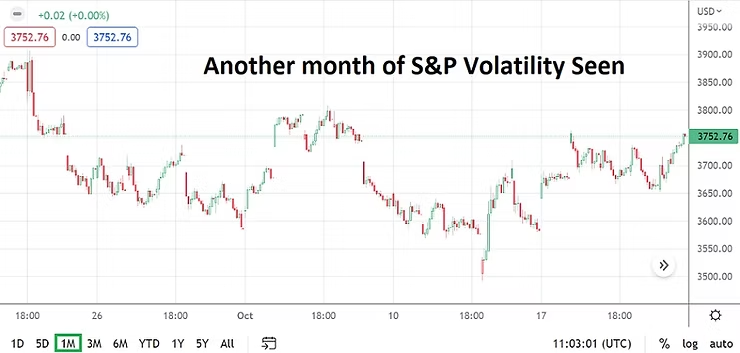
Past month of results from S&P 500

Global markets have faced perils before and will again in the future. Long term perspective is needed. The U.K, U.S and Brazil are all within intriguing political circumstance. The U.K is about to have its third Prime Minister after the ‘sacking’ of Liz Truss. The U.S is about to have a mid-term election and it appears the Republicans may seize control of the House of Representatives and Senate. Meanwhile in Brazil, the race for President appears to be getting closer and President Bolsonaro may actually pull off a photo finish against his challenger.

U.S indices have suddenly started to show brief moments of strong buying again. However many financial analysts remain skeptical. Fear of inflation, recession, quarterly earnings, debt and rumblings regarding stagnation are legitimate reasons for financial institutions to worry about this Halloween season. Jokes aside, the short term will likely remain rather challenging.

The U.S Federal Reserve has served as a solid place to show officials remain locked within their offices without a vision regarding the real world, but that is too easy to merely claim. Numbers need to be looked at and quantified to cast official blame on bad monetary policy. It does appear the Fed will raise interest rates again in November. Will they rest after this coming hike and actually wait for corporate evidence and economic data afterwards to help guide their decisions late in 2022 and early in 2023? We shall see.

The USD remains very strong and is hurting other economies as nations deal with the rising costs of food and energy, particularly when imports are involved. Things are not going to get tranquil in the short term, more hurdles need to be jumped. Remaining calm as an investor and trader is needed. Being reactionary will likely not lead to good results.
post11.1

The Yuan’s Slip is Showing and Troublesome

The Yuan’s Slip is Showing and Troublesome

Two and a half weeks from Xi Jinping’s expected and unprecedented 3rd term coronation as China’s president, the country is trying hard to tamp down any distractions in a year that has provided plenty of them: pandemic lockdowns; faltering economy; supply chain headaches; a reeling real estate bubble; you know the list.

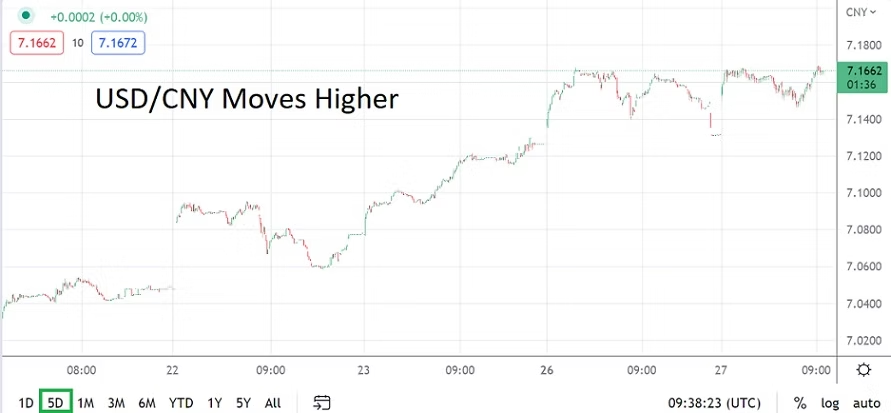
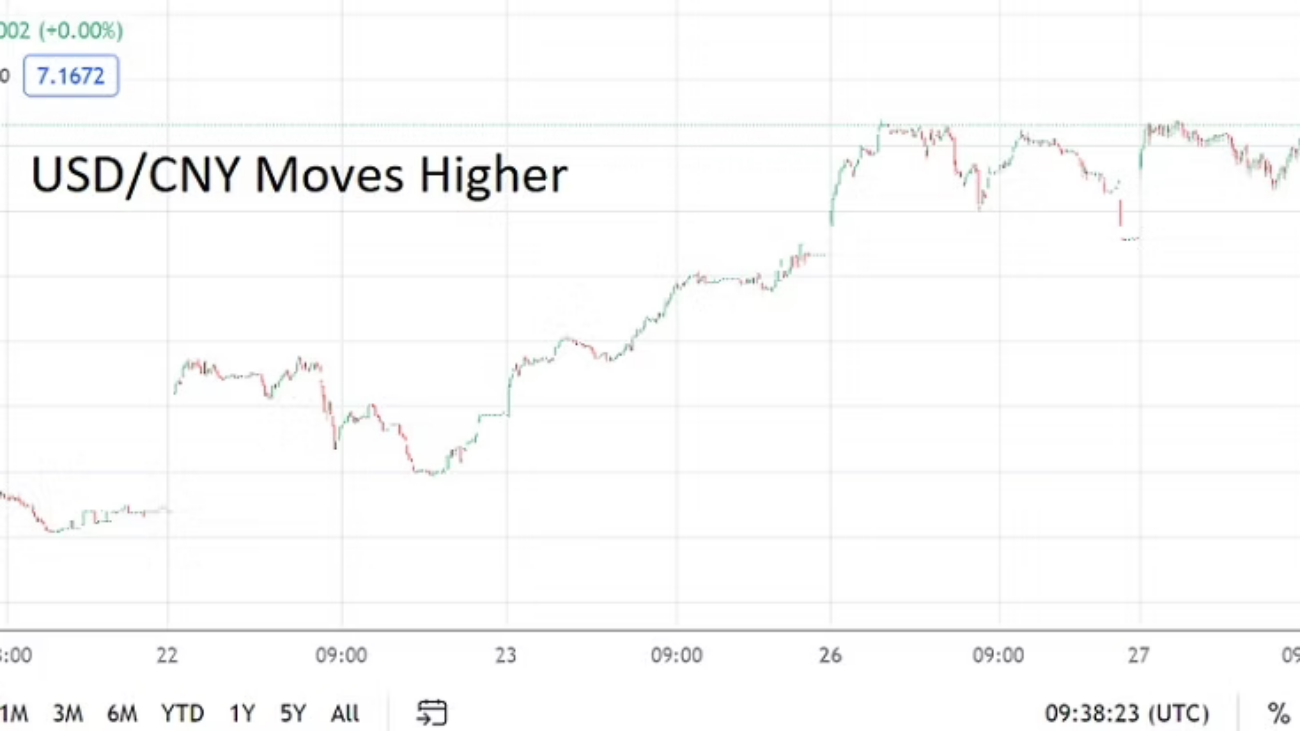
We can now add plunging currency to the usual suspects, as China’s Yuan — also known as renminbi (literally translated as the peoples’ currency) or simply RMB — weakened a further 3.7% against the dollar in the past month, and over 11% so far this year. That’s trending for its worst annual performance against the Greenback since 1994, which is the year China unified its currency market in an effort to modernize it. Not great for a basket currency its promotors aspire to be the world’s finest.

Monday’s mark of 7.1738 RMB to dollar is also its worst since 2008, back when global markets were collapsing. This is a psychologically meaningful level that all but guarantees aggressive pushback by the People’s Bank of China (PBOC). On Monday, the bank announced the imposition of a risk reserve requirement of 20% on currency forward sales by banks, starting on September 28.

China has adjusted the FX risk reserve ratio on occasion in recent years, starting in 2015, but stopped doing so in 2020. The goal is to deter short sellers betting on further depreciation, something government spokesmen have even come out and warned investors against in the past several weeks, including PBOC deputy governor Liu Guoqiang.

USD/CNY 5 Day Chart

It’s not the only move we’ll see. Other steps we can expect in the long term are delays in easing of monetary policy (a recent tool against recession); further cuts to foreign exchange reserve ratios; and pumping central bank bills into Hong Kong or elsewhere to stave off RMB liquidity. You can bet on a lot more firmer than usual midpoint fixings going forward as well.

Of course there’s not much they can do against the prime driver of the dollar’s recent surge: that would be the Federal Reserve, which has been aggressively raising rates to pump the brakes on inflation, resulting in part in bringing the trading strength of the dollar to a 20 year high, with all indications the policy will continue into next year. Other currencies, including the British pound and the South Korean won, have also struggled of late; the pound reaching a historic record low against the currency this week.

Look for more PBOC efforts to keep a lid on the problem, especially as the calendar draws nearer to the opening of the 20th Party Congress on October 16. While it has so far avoided more direct intervention, such moves are not off the table, should the slide persist or worsen significantly. Time will tell.