US Cash Index 20260617

Forex and the Fed Chair: Kevin Warsh in the Spotlight Later Today

New Federal Reserve Chairman will Cause a Reaction in Forex Today

I offer readers a ‘what if’ proposition ahead. These are my opinions and I am simply trying to give my perspective on what may happen in the Forex market in the coming hours.

The Fed Press Conference later today will be must watch television for Forex traders, including retail speculators, large players and financial institutions. Federal Reserve Chairman Kevin Warsh will make his first appearance after a FOMC rate decision. Dynamic conditions in the broad Forex market should be anticipated – that doesn’t tell day traders much I know, keep reading, please. 

U.S inflation has sparked higher this as energy prices have ignited upwards and caused logistics, manufacturing and agriculture to become more expensive. The Bank of Japan raised its interest rate by a quarter of a point yesterday to 1.00%. However, these two bits of evidence doesn’t mean the Federal Reserve will increase its interest rate today. 

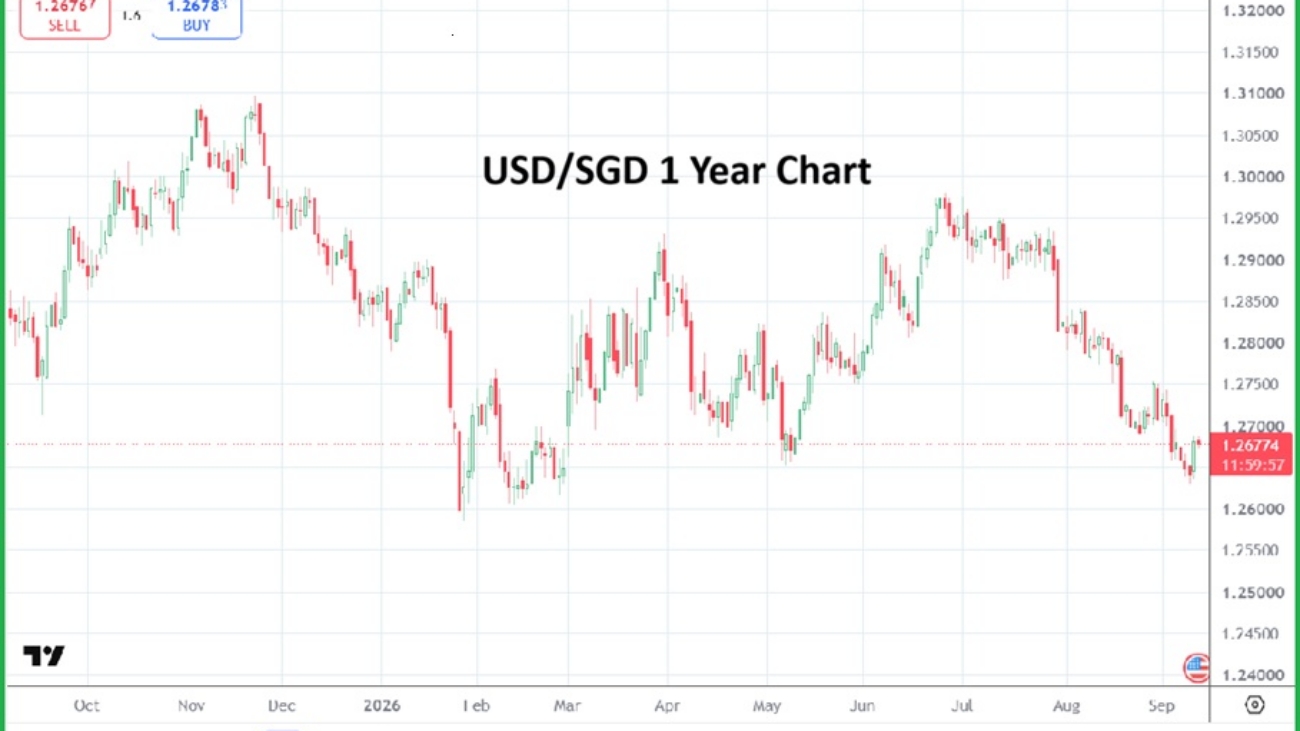
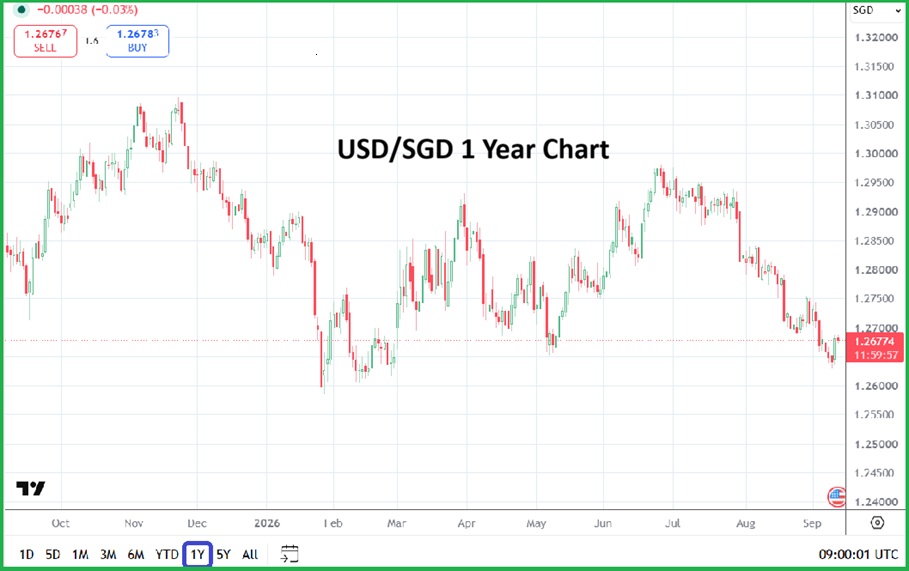
The U.S Dollar Index is trading near relative highs. The broad FX market is certainly cautious, but financial institutions may be leaning into the notion of USD centric weakness. Yes, the USD/JPY remains above 160.000+ for the moment, but the USD/SGD is flirting with its lower range and came within sight of the 1.28000 mark on Monday. So why is this important? Because folks are acting cautious before a potential storm.

U.S Dollar Index Six Month Chart as of 17th of June, 2026

Perhaps this will go down as an infamous egg on the face situation for me personally, but does Fed Chair Kevin Warsh really want to raise interest rates during his first FOMC meeting at the helm? Yes, Jerome Powell is still around as a voting Governor, but Warsh may find he has enough votes (and influence) to get a majority of other FOMC voting members to allow today’s decision to be a test case in favor of patience. 

If the Fed holds the Fed Funds Rate in place and announces it will use the near and mid-term as a trial period regarding their belief inflation will lessen, because it believes energy prices over the mid-term will erode rapidly, that may be enough to cause USD centric selling later today. The Fed will not use the word transitory I suspect, but an argument can certainly be made that now is the time to actually elucidate on the subject of transitory inflation.

Monday’s trading in the broad Forex markets showed that financial institutions bought into the optimism of an anticipated U.S and Iranian agreement and what it could deliver – a glut of Crude Oil, including lower costs for its ancillary products. Financial institutions were also relieved that U.S equity markets survived the launch of the SpaceX IPO certainly. While yesterday’s broad market trading turned cautious and demonstrated sideways action in Forex, many major currencies are traversing near curious values. Equities also went sideways for the most part on Tuesday.

The U.S Dollar Index is swimming within its higher terrain via a six month chart (per a look above), yet financial institutions – if they hear dovish sentiment from the new Fed Chair today could spring into action and sell the USD quickly. Day traders need to understand even if this occurs that it will still be ultra-dangerous to bet ahead of the Fed rate announcement and Press Conference. This because volatility leading up to and following the FOMC Federal Funds Rate decision will create large spreads in Forex and choppiness that small retail accounts cannot handle most of the time – particularly when too much leverage creates wildfires.

While the before and after of the Fed interest rate announcement will garner the headline news, and create a reaction on Wall Street for the S&P 500 and Nasdaq 100 immediately; it will be wise to pay attention to Fed Chairman Kevin Warsh a half hour later when he steps into the spotlight for the first time. There has been chatter that Warsh is not keen on trying to give too many signals regarding the Fed’s thinking regarding every move it is contemplating. 

This coincides with thoughts that Kevin Warsh and Scott Bessent believe in a more high-tech and pro-active approach to interest rate and monetary policy based on forward looking data. The consideration of a more dynamic approach to interest rates has not been widely considered by financial institutions quite yet. If the new Fed Chair surprises reporters and onlookers at the Press Conference today with a new philosophy on the way the Fed will work, this will set the stage for potentially large behavioral sentiment shifts that were not wagered on quite yet. In other words mid-term outlooks regarding U.S interest rate policy may change in a handful of hours more than many people think. 

Maybe I am wrong, maybe I am interpreting the political and financial landscape incorrectly, but these are my thoughts as a risk analyst – one who thinks the U.S White House would not mind seeing a weaker USD, a Fed that likely wants a different approach to interest rates – as they both hope for energy prices to lower (and may get their wishes fulfilled).

Copy and paste the text from AMT that you want to share

AMT Top 10

AMT Top Ten Miscellaneous Meditations for the 16th of June

Memorandum of Misunderstanding, the SPCX Rocket, the Knicks and Brazil as Jazz Plays in the Background

10. Legacy: Sonny Rollins passed away on the 25th of May at the age of 95. Rollins was a master jazz musician and saxophonist who will be listened to forever. His sound, cadence and imaginative ability to create while playing with bands, and often lead via his unique style make him an everlasting legend. If you haven’t listened to Sonny Rollins start out with his song St. Thomas via Saxophone Colossus.

AMT Top 10 Miscellaneous Meditations for the 16th of June, 2026

9. Surreal: The New York Knicks won their first NBA Championship in 53 years. Some Brazilian football fans returning to their hotels after their team’s 1-1 draw versus Morocco in their Group Stage World Cup match in New Jersey had to walk through throngs of Knick fans celebrating on the streets of Manhattan in bizarre looking circumstances as they worried about their national team. Walt Frazier and Pele both wore Puma and met in the 70’s.

8. Strategy: Michael Saylor continues to claim the wet and cold Bitcoin wind blowing back in investors’ faces is a refreshing mist that will invigorate the HODL crowd eventually. In the meantime MSTR is near $131.00 and BTC/USD around $66,300.00. Saylor sees Bitcoin above 1 million eventually and beyond, while some others see headwinds and more losses developing.

7. Bleeding Money: Political mismanagement shadows Chicago which appears ready to lose the Bears football team via a new stadium across state lines in Hammond, Indiana, this as team officials and ill-equipped Illinois leaders argue about property taxes and other business considerations (and maybe kickbacks). NYC is hurting for funds too, this as important companies make plans to place their corporate headquarters and employees elsewhere and avoid Mayor Mamdani’s nonsense. Apollo Global Management is the latest to decide to venture forth into Texas and make its New York presence less important. 

6. Commodities: Gold is near $4,330.00 this morning, Silver around $70.00 and WTI Crude Oil close to $78.00 via futures pricing.

5. Nasdaq 100: The index finished 3.06% higher yesterday and at a value of 30,543.92 per last night’s close. The Nasdaq 100 has been delivering a wild ride for speculators and investors. The index saw all-time highs in early June when it went above the 30,700.00 level. The S&P 500 concluded Monday’s trading at 7,554.28 and up by 1.65%, the index’s high was also in early June when it went above 7,600.00. For all the talk of doom and gloom over the past week and a half with fears about a sustained run downwards in the U.S indices, they are showing upwards momentum for now. 

4. BoJ: The USD/JPY remains within sight of the 160.000+ mark consistently. While other major currencies have gained a bit the past few days against the USD, the Japanese Yen remains sticky near its highs as the Bank of Japan is likely watching speculators wager on the higher realm. FX traders need to remember that the BoJ may act when it feels it has enough clarity regarding the Iran saga and inflation concerns. In other words, a warning shot may come soon threatening an intervention. Buyers beware.

3. SpaceX: Is it a bird or a plane? No, its a 2.1 trillion market cap valuation via a rocket like IPO on the Nasdaq 100. While some may want to bet against Elon Musk early, those type of decisions have proven costly mistakes for some short sellers in the past when dealing with Musk and Tesla. Some may argue for value of $115.00 and less per each SPCX share, but it might prove unwise to step in front of the upward trend for the moment. Case in point, Tesla is near $411.00 per share and causing chagrin within certain crowds as they point to weakening sales, but only see the company do better in value. Oh, and SpaceX ended Monday’s trading at $192.50.

2. Fed: Kevin Warsh leads the FOMC Committee as the Chairman for the first time as the Federal Funds Rate decision awaits this Wednesday. Some think the Fed will increase the interest rate by 0.25%, AMT does not based on the opinion Chairman Warsh likely wants to start off his job on friendly terms with the White House and Treasury, while also counting (hoping) on cheaper energy prices.

1. MoU: The Iran conflict awaits a signed agreement. The terms of the Memorandum of Understanding are being whispered, but transparency has not been delivered and won’t be until Friday supposedly when the U.S and Iran attend a ceremony in Switzerland. While financial institutions and global markets are ready to turn the page and engage in optimistic outlooks, it remains to be seen if negotiations will lead to tangible results as multiple questions and concerns linger. In the meantime a sizeable part of Iran’s population still lives under tyranny. Who won? Did President Trump make a quiet deal with China to guarantee oil flows from the Strait of Hormuz and receive something in return during his visit to Beijing from the 13th to the 15th of May? There appears to be room for plenty of misunderstanding.

Copy and paste the text from AMT that you want to share

Indian Rupee 20260611

India Insider: Should the RBI Raise Interest Rates?

A Case for Higher Interest Rates In India

As the Rupee remains under pressure and oil prices continue to rise amid tensions in the Middle East, the debate has shifted towards what the Reserve Bank of India (RBI) should do next.

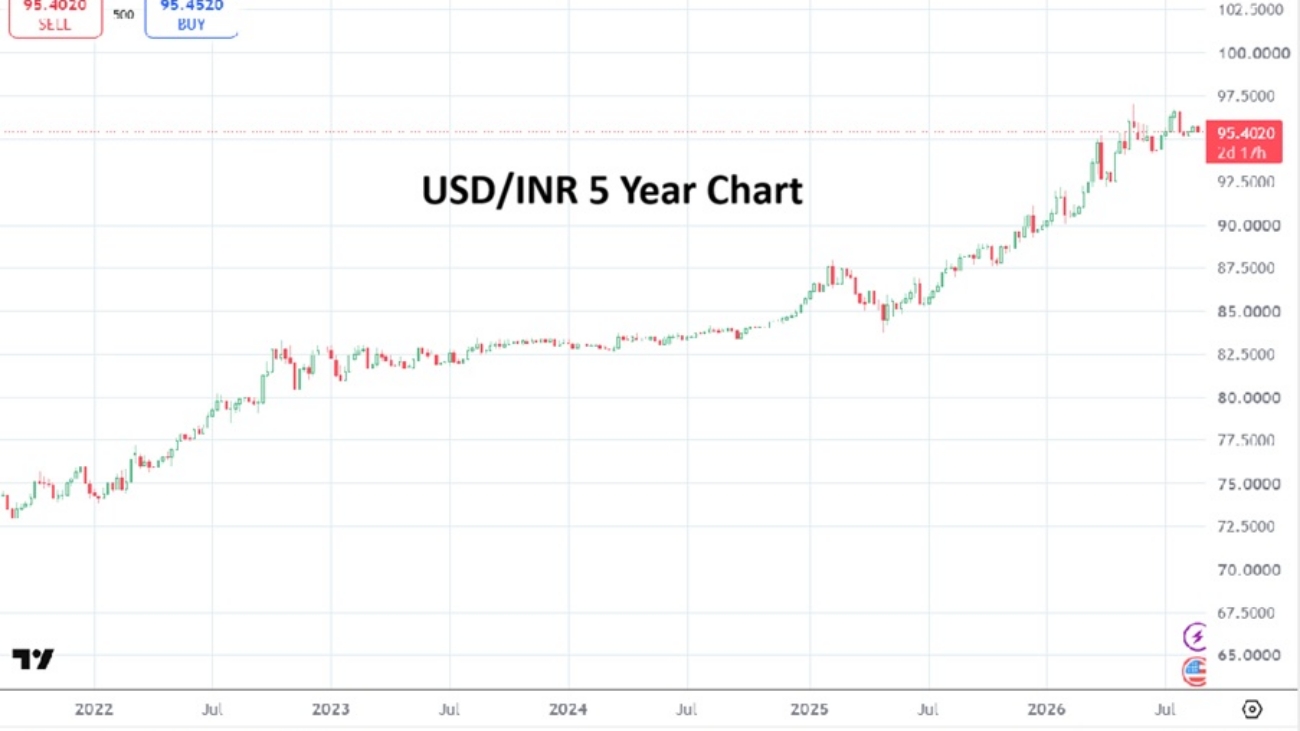
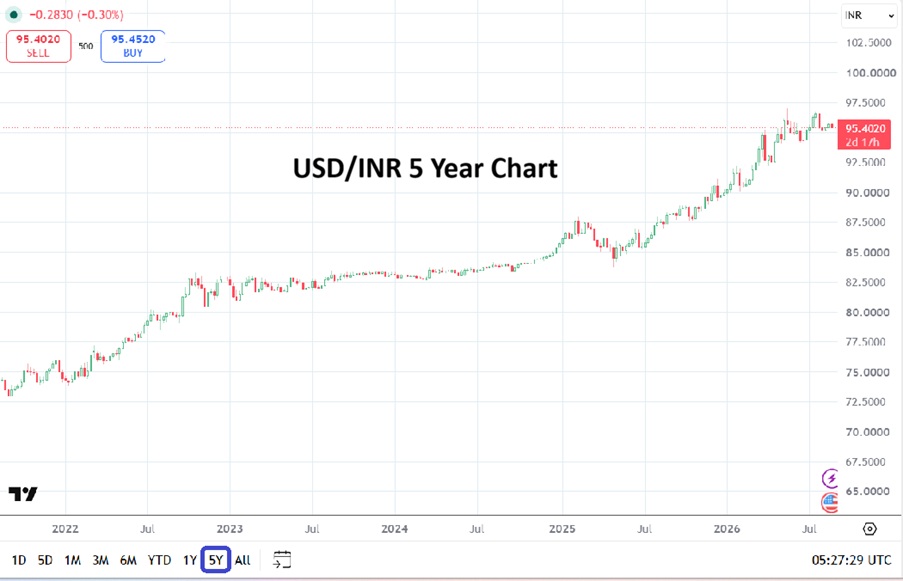
Economist Janak Raj has argued that raising interest rates to defend the Rupee comes with significant costs. Higher rates increase the cost of capital for businesses, reduce investment activity, and compress equity valuations. In theory, this could even accelerate foreign outflows from equities rather than attract fresh capital. Yet the RBI may soon find itself with limited options.

USD/INR One Year Chart as of 11th of June 2026

Foreign Portfolio Investors (FPIs) were net buyers of Indian equities for most of the period between 2004 and 2024, with only a few exceptions such as 2011, 2018 and 2022. However, the trend has changed. FPIs sold approximately $19 billion USD worth of Indian equities in 2025 and another $24 billion USD so far in 2026.

Question: Why are Foreign Investors Selling

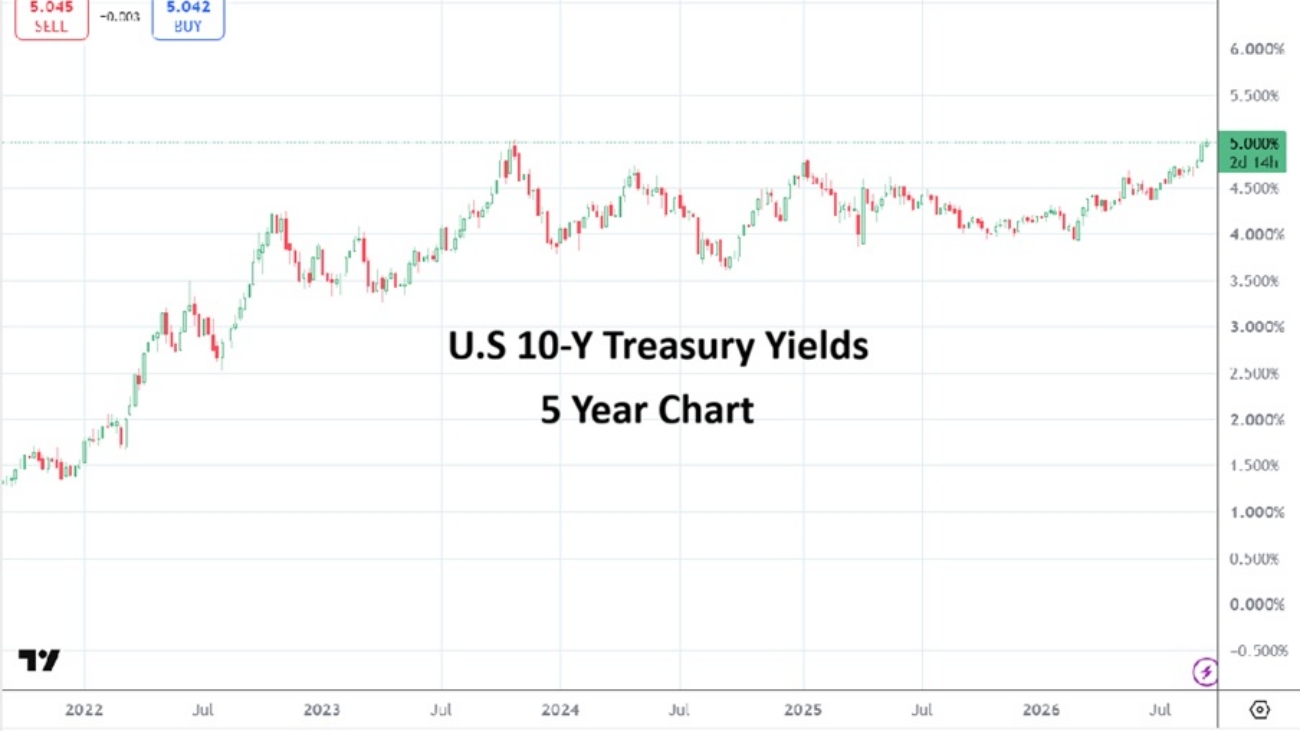
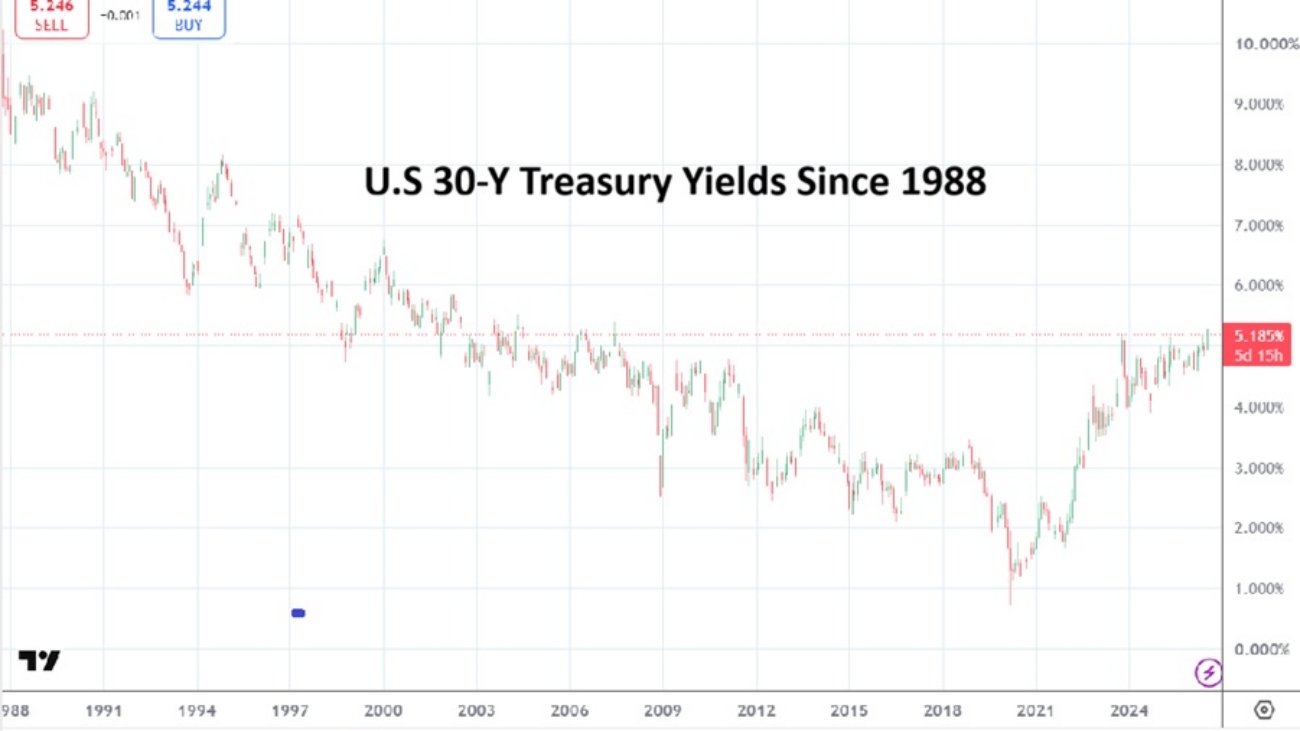
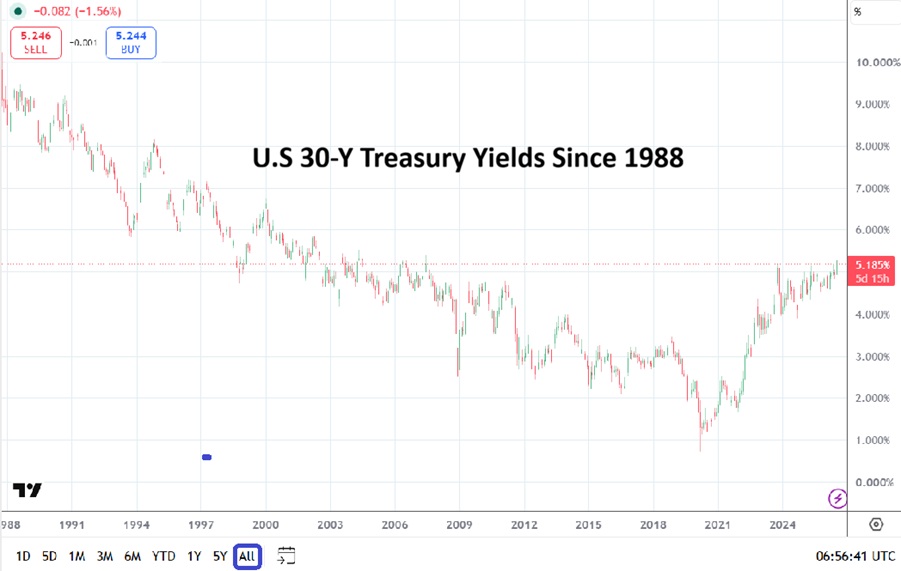
One reason is that global investors today have alternatives. The growth of Artificial Intelligence related companies in the United States has created significant investment opportunities. At the same time, U.S Treasury yields hovering around 4.6% offer attractive risk-free returns in a strengthening dollar environment.

For many global investors, earning high returns in Dollar assets is preferable to taking exposure in emerging markets that face current account pressures from rising  Crude Oil prices and other energy costs.

Taxation is another factor. India taxes foreign investors at 20% on short-term capital gains and 12.5% on long-term gains. Meanwhile, competing financial centres such as Singapore, Hong Kong, Malaysia and Thailand generally do not tax foreign investors’ capital gains.

Some global funds have argued that India should move closer to international norms, where capital gains are usually taxed in the investor’s home jurisdiction rather than the country where the investment is made. Higher post-tax returns would undoubtedly make Indian assets more attractive.

A stable Rupee would also reduce hedging costs, lower currency-risk premiums and improve the overall risk-reward profile for overseas investors. However, tax cuts alone cannot solve India’s problem.

The Real Issue is Balance of Payments

As Business Line columnist Lokeshwari Mam has pointed out, a significant portion of equity outflows consists of short-term speculative capital. Long-term capital tends to remain invested. This is why the decline in net Foreign Direct Investment (FDI) should concern policymakers more than short-term fluctuations in portfolio flows.

Net FDI has fallen sharply from $28 billion in FY 2022-23 to just $7.7 billion in the year ended March 2026. This is a worrying trend because FDI is the most stable source of external financing. Unlike portfolio flows, it creates factories, jobs, exports and long-term productive capacity.

India therefore needs more than tax incentives. A genuine single window clearance system, reduced bureaucracy, easier business regulations and reforms in manufacturing remain essential. Attracting long-term capital should be a national priority.

The recent foreign buying of Indian bonds after tax cuts is encouraging. But relative to India’s current account financing requirements, it remains a small drop in the ocean.

For example, in FY 2025, the current account deficit was 0.6% of GDP. And in Q4, the current account became a surplus. Is it really that difficult to finance it’s small current account deficit?

India’s external vulnerability is determined not merely by a current account deficit, but by whether the capital account can be comfortably financed. A modest current account deficit still creates currency pressure if foreign capital inflows weaken (which we are seeing), while a larger deficit may be sustainable when capital inflows remain strong. The risk of sustained higher oil prices could widen the deficit, increasing India’s dependence on foreign capital at a time when global liquidity is tightening and U.S Treasury yields are rising.

Furthermore, hedging costs continue to erode much of the yield advantage that Indian bonds offer over U.S Treasuries. In that sense, active global money is likely to prefer Dollar assets over emerging-market debt or equities

India’s repo rate currently stands at 5.25%. The RBI’s decision to raise its inflation forecast to 5.1%, while lowering its GDP growth projection to 6.6% reveals where the shock from the Iran conflict is likely to be felt via higher inflation and weaker growth. For an economy that remains heavily dependent on imported oil, a depreciating Rupee only compounds the problem by increasing the cost of energy imports. 

In such an environment, the Monetary Policy Committee is unlikely to focus solely on growth. Currency stability, inflation expectations and the availability of foreign capital to finance India’s external requirements could become increasingly important considerations. If these pressures persist, the RBI should raise the repo rate, in the same manner other Asian central banks have done in recent weeks.

Copy and paste the text from AMT that you want to share

Celtics and the Middle East 20260609

Falling into the Middle Eastern Trap

When Talking Becomes an Obsession

Opinion: The following article is commentary and its views are solely those of the author. This article was first published the 9th of June via The Angry Demagogue.

The United States is falling into the Middle Eastern trap that Israel fell into thirty years ago. This trap fits nicely with the post cold-war progressive Western way of diplomacy in that its goal is “talking”. Perpetual talking rather than deal making is the key to understanding the Middle Eastern way of things and Israel has become a practitioner in the “way” that led directly to October 7. The idea of perpetual talking is to reach a situation where you can defeat your opponent without making concessions. In the Middle East, they suck you in to a point where just “talking” becomes an obsession. The United States is heading into the same where results are less important than the act of discussion itself.

Falling into the Middle Eastern Trap – When Talking Becomes an Obsession 9th of June 2026

This obsession, this being sucked into something against your best interests reminds me of a wonderful episode of Cheers, the sitcom that takes place in a Boston bar – a bar in which pints of beer plus inane discussions over anything that leads to nowhere is its reason for being. The episode that I am thinking of has Boston Celtics great Kevin McHale as a guest and the two main instigators of irrelevant and purposeless conversation, Norm and Cliff, (not so) innocently ask McHale how may bolts are in the famous parquet floor at the Boston Garden.

The waitress Carla, Boston working class par excellence, begs the basketball star to ignore them, knowing he will become obsessed and sucked into something that clearly will lead to a disaster for him and her beloved Celtics. Sure enough, the episode ends with McHale driving towards the basket with what ought to be the winning shot only to get distracted by trying to figure out how many bolts are in the floor of the Boston Garden.

That is exactly what is happening now in in the Middle East where President Trump is the basketball star being distracted by Iran and their attempt to suck him into endless discussions that are meant to lead to nothing productive. We don’t know if McHale ever figured out the number of bolts, but besides going back to Cheers with the answer, it is a useless endeavor that can only lead to defeat. So too, with the Trump Administration and the sacred talks with Iran where the end game might be something he can bring back to a press conference in DC or a rally in Pennsylvania but will be worth as much as knowing the number of bolts in the Boston Garden floor.

Israel fell into this trap with the Palestinian Authority of Yasser Arafat and when talks ended, the only goal was to start them up again. Just return to talking. The result didn’t matter. This trap picked up again after October 7 when the goal seemed to be to always be talking with Hamas via Qatar or Egypt even if everyone knew it would lead to nowhere. Ironically, it was President Trump who realized this and was able to do his dealmaking magic to free the hostages – but only after the IDF put Hamas in an untenable situation and Qatar wanted a “great deal” with the Trump administration. Talks never led anywhere.

So here we are, the Trump Administration is hell bent on continuing discussions for the sake of discussions no matter how many times Kuwait, UAE, Bahrain, Israel, or even the U.S military get shot at by Iran. When the goal is talking – when the obsession becomes talking – you have fallen into the Middle Eastern trap much as Keven McHale fell into the trap of inane bar talk for the sake of inane bar talk.

While the American President is a deal maker par-excellence, the Middle Eastern leaders, this time Iran’s, are the experts at making you think that talking is always the best outcome – because it is, for them. Eventually, their experience tells them, you will make a mistake. The Administration has allowed Iran to attack allies at will in the Gulf and in Israel, as Iran gains concession after concession due to the trap that is “talks at all costs”. The first concession was linking Lebanon to the talks and the next, done just yesterday was in putting Iran and Israel on the same level.

This is the mistake one would expect from the Obama-Biden crowd where they always believed that talks were the purpose – they didn’t have to fall into any trap as they were there already. However, the Trump Administration understood the fallacy of forever talks which is what makes it so painful to see them fall into the same Middle-Eastern and Western, progressive trap. Obsession to make a deal is good because results oriented; but an obsession that is just to “get back to talking” will lead only to results that you never wanted in the first place.

Disclaimer: the views expressed in this opinion article are solely those of the author, and not necessarily the opinions reflected by angrymetatraders.com or its associated parties.

Follow Ira Slomowitz via The Angry Demagogue on Substack https://iraslomowitz.substack.com/

Copy and paste the text from AMT that you want to share

Nasdaq 100 20260608

Nasdaq 100: Terrible Friday Being Confronted by Manic Monday

Fear of the Middle East Not the Main Motivator for the Nasdaq 100

After Friday’s selling surge and a fall of -4.77% with a close of 28,957.60, the Nasdaq 100 futures trading this morning has actually seen an increase and is near the 29,479.00 mark as of this writing before the cash Nasdaq 100 market opens.

Friday’s selling nightmare for traders who found themselves stubbornly locked into what were to be short-term buying positions and saw the Nasdaq 100 plummet -4.77%, probably woke this morning believing ugly conditions may not stop. An escalation in military action via proclaimed retaliatory moves between Israel and Iran started today’s trading with a high degree of more anxiousness. USD centric strength in Forex was demonstrated early.

Nasdaq 100 Futures Value 1 Month Chart as of the 8th of June 2026

However, in the past couple of hours calmer heads have prevailed among financial institutions and USD centric buying in the broad Forex market has run out of steam – at least momentarily. For instance the USD/JPY is near 159.927 currently, opposed to earlier highs seen this morning which challenged the 160.400 vicinity. What does this have to do with the Nasdaq 100 and its current status? 

It appears via futures trading that large players may also have taken a sedative and looked at the index as having been oversold on Friday. The Nasdaq 100 has actually gained early today and signs that a de-escalation of military force between Israel and Iran is being reported. However, that still leaves day traders wondering what will happen as the cash market opens soon and volumes increase.

Let’s Say Quiet Prevails the Remainder of the Day

Not because of a utopian outlook, but a geopolitical perspective, let’s try to image Iran’s stated intentions of no more retaliatory strikes being launched towards Israel as true. The past couple of hours have been more tranquil as a signal in case you are wondering. Then investors and financial institutions will have to digest the Middle East concerns as they have done over the past couple of months in U.S equities, and decide to operate again on the Nasdaq 100 with near and mid-term outlooks.

Friday’s huge selling was blamed by some on the likelihood of a ‘potential’ U.S Federal Reserve interest rate taking place on the 17th of June. This because better than expected jobs numbers showed to some that the U.S economy was running hot once again. 

Additionally expressed fears, which are legitimate, about higher energy costs sparking sticky inflation have been discussed and worried about aloud. Yet, again let’s decide to say even if U.S inflation numbers via the Consumer Price Index come in higher than expected this Wednesday via the coming CPI data, that doesn’t shut the door on the possibility the new Fed Chair Kevin Warsh won’t fight against an interest rate hike during the FOMC meeting next week. In other words it still seems rather unlikely – to me – that the new Federal Reserve Chairman is going to want to initiate higher interest rates the first month on the job. So what if there was another reason for the steep selling on the Nasdaq 100?

Not Paradise but Purgatory

The Nasdaq 100 actually has other questions which have been raised as possible fodder for its large selling this past Friday. Was it spawned because of profit taking by those who took advantage of the index’s fabulous rise knowing that many institutions had been front running the IPO of SpaceX which is scheduled to happen on the 12th of June – this Friday? 

Did large players who rode the wave of frontrunning by financial institutions up in the Nasdaq 100 since late March, decide to cash in profits. There is plenty of nervousness surrounding what will take place with SpaceX in the coming months and long-term via outlooks because of its rather inflated valuation which looks like it will be around 1.7+ Trillion plus at share values of $135.00 per share this coming Friday. 

Questions surrounding SpaceX’s price per sales rhetoric, this instead of price per earnings (because SpaceX is not making a net profit) is just one example. While denying Elon Musk’s genius and ability to create clamor for his companies has proven to be a losing proposition for many, doubters still remain. 

Folks might have cashed out winnings on Friday and decided to now wait on the sidelines to see where behavioral sentiment takes the Nasdaq 100. After two full months of paradise for the Nasdaq 100, a few days of purgatory and seeing which direction U.S indices go may be the right decision by folks who rely on clarity; this as the Middle East gets untangled (or becomes more complicated), the Federal Reserve offers insights on the 17th of June, and large financial institutions lead the way regarding investment decisions.

Copy and paste the text from AMT that you want to share

Female Work Percents 20260605

India Insider: Growth Matters, Development Matters Even More

Participation of Women in the Workforce and Advancing Progress

There is more poverty in this world than many of us realize and would like to comprehend when confronted by the facts, and this is also true with India.

Recently, I visited several villages in Tiruvannamalai District in Tamil Nadu State on behalf of Angry Meta Traders to survey household capital formation, wage growth and labor market dynamics. To my astonishment, in many homes, people still use rice and palm oil purchased through ration shops. The important observation is their consumption basket appears narrow and heavily dependent on subsidized essentials. I saw simple aluminum utensils in kitchens, when higher income households often use silver-plated utensils. Things that many middle-class families consider normal like energy drinks, snacks, or packaged foods were often absent.

What struck me even more was the number of women managing families alone. In some households, the husbands had died due to excessive alcohol consumption. Children attended government schools and depended on nutritious meal schemes provided by the State.

Growing up, I have seen people wear torn uniforms in school because their family could not afford new uniform every year. Some did not wear shoes, and many students stood outside the class because the fees in private schools in India are several times higher than what government schools would charge and their families could not pay on time. Yet, through education and perseverance, many people have succeeded. 

However, the poverty I witnessed in Tiruvannamalai District is different. These observations reminded me of a study published in the Lancet Regional Health Center. Researchers followed 251 children in Vellore District (closer to Tiruvannamalai District) and found that poor children living in urban areas were often exposed to calorie-rich but nutrient poor food environments.

If such conditions exist in parts of Tamil Nadu State, one of India’s more developed states, then we should think carefully about the situation across the country.

Another Transformation is Taking Place

For generations, many women carried the burden of childcare, household work, elder care and agricultural labor simultaneously. In many families, they sacrificed their own aspirations for others. Are women born to carry everyone’s burden?

Interestingly, across the globe especially in Southeast Asia, education and economic opportunities have expanded women’s choices. Researchers such as Stanford University’s visiting Professor Alice Evans argue that many women choose marriage only when their partner’s own goals align with their own. If not, remaining single becomes a reasonable choice for them

Female Labor Participation Rates Comparing India and China from 2011 to 2024

As shown in the above chart, India has certainly made progress, but female participation in the workforce remains below that of many East Asian economies. A society that fully allows women to participate in economic life is likely to become more prosperous and productive.

Economic realities are also shaping family decisions. Housing is expensive. Job markets are uncertain. Inflation remains a challenge. Asset prices have risen significantly.

Yesterday, a college friend called me. He recently built a new house in his town. He is 33 years old, unmarried, and works in Oman. Years of overseas employment and remittances have helped him to achieve his goals. I sometimes wonder whether the same outcome would have been possible had he stayed and earned entirely in India, especially outside the software and technology sectors.

India still has demographic advantages, but a demographic does not bear fruit automatically. It requires healthy, educated and economically secure citizens.

We often speak about India becoming a developed nation. However, the real question is whether growth can and will improve the lives of ordinary people, especially women, children and underprivileged. Growth matters, development matters even more.

Copy and paste the text from AMT that you want to share

Perception Over Fact 20260603

Perception Over Fact: Iran as the Savior of Beirut

Trump Policy and The Art of a Middle Eastern Deal: Israel, Iran and Lebanon

Opinion: The following article is commentary and its views are solely those of the author. This article was first published the 2nd of June via The Angry Demagogue.

Although it is difficult to see where the negotiations between Iran and the United States are going – if anywhere – over the last 24 hours the United States has made Iran the “savior” of Beirut. Against American policy of creating a civil and unified Lebanon at peace with its neighbors, the Trump Administration has told the Lebanese government and people that Iran still controls what happens in Lebanon.

Perception over Fact: Iran as the Savior of Beirut

Even if this was not the case, in the art of the Middle Eastern deal, perception is more important than fact. Whether the Trump Administration actually twisted Israel’s arm due to Iran’s demands or not, the fact that Israel has agreed not to bomb the Dahiya section of Beirut after announcing that they would gives a message to the Lebanese people and government that Iran still calls the shots in Lebanon and not to rush to support those who wish to disarm or dismantle Hezbollah since you will be on the losing side.

Lebanon has been embroiled in civil wars since its inception. Beirut, the “Paris of the Middle East” has never known quiet times although that did not stop the partying (sort of like Paris itself today) and Iran’s involvement, much like Syria’s and the PLO’s before has not helped. Before the PLO inspired civil war in the mid 1970’s, after King Hussein threw them out of Jordan, the civil wars were about Lebanon itself. The French thought they created a formula for the creation of a semi-western state by dividing up the power centers amongst the religious and ethnic groups – Maronite-Christians got the Presidency, the Sunnis the Prime Minister-ship, the Shiites the speaker of the Parliament. The Druze historically were appointed Chief of the General Staff of the army.

This formula was, as can be imagined, not one for the free exchange of ideas but caused a rush to create power centers and led to conflict, civil and military. But it was all internal. Once the PLO and Yassir Arafat came, Israel became a factor in the civil war since Israel had to cross the border to stop the PLO from its numerous cross border terrorist attacks. After the First Lebanon War and the forced exit of the PLO, Iran created Hezbollah with the sole aim of using it, in the future, to destroy Israel. Therefore, from the late 1970’s until today, the Lebanese state has been embroiled, often against its will, in the Israeli-Palestinian conflict.

The goal of the Trump Administration’s negotiations in Washington between Israel and the Lebanese government is to break Iran’s stranglehold over Lebanese internal and external policy and allow it to either establish diplomatic relations with Israel or at least to put the two countries in the situation they were in before the late 1970’s – and that was a quiet, irrelevant border for both countries.

The real or even perceived notion that Beirut was “saved” from Israeli bombing by Iran’s demands has set back that goal and given Hezbollah and hence Iran, veto power over Lebanese government policy. The correct answer to Iran after their demands were made tying Lebanon to the cease fire was that Lebanon is none of your business and if your proxy decided to join your war then they will have to take responsibility for it. The time for “protecting” Lebanon was when you ordered Hezbollah to come to your aid and attack Israel’s north. The result of that – the administration needs to tell both Iran and the Lebanese government and people, is the loss of Lebanese sovereign territory to Israel and the destruction of Shiite villages in the south of the country. A further price is the destruction of the Beirut neighborhood in which Hezbollah has command and control facilities as well as underground arms depots.

Iran cannot be seen to be the savior of Beirut and Lebanon but the cause of its troubles. No amount of rhetoric to the contrary will prove to the Lebanese government and people what they see on the ground now – only Iran has the power to stop Israel’s bombing of their country. The Administration has set back its goals in Lebanon without aiding its war effort in Iran. The constant Iranian threat to make the war regional is coming true since the Administration is not taking seriously Iranian deal-making methods.

As we wrote two months ago in The Art of the (Middle Eastern) Deal” – “Each ‘concession’ by Iran will have to be paid for twice or three times – once upon agreement and then again before numerous times before implementation”. Iran agreed to open the Straits and then reneged and the US is negotiation for that again – AFTER Iran received the much needed cease fire.

Now, after the administration denied linkage to Lebanon, Iran is again demanding that linkage – not in order to open the Straits, but just to continue negotiations. This pushes both American interests to the back burner – the opening of the Straits of Hormuz and the normalization of Lebanon as a country free from Iranian influence. And the “concession” that Iran is giving for this is just a continuation of the negotiations that have been going on for over two months. In other words, like most negotiations in the middle east that are supposed to lead to “peace” – this too is moving backwards.

President Trump has asked for patience and has insisted that the United States will never accept a bad deal – and I am willing to be patient and believe that. But what if the goal of the Iranian government is not a deal at all but the ability to re-set their genocidal triad or missiles, proxies and nuclear weapons? These negotiations have given them time to dig out their underground missile cities, to keep their enriched uranium hidden and now to revive their flailing major proxy – Hezbollah. In the end, as the President said, it will be good, but by allowing Iran to take the initiative he is making it harder to get to that “good”.

What we have now is a continuation of American-Iranian negotiations where a concession was given to Iran and they are no closer to reaching an agreement. Iran is now perceived as the power to be reckoned with in Lebanon and Israel is put on a level with Hezbollah. Iran and the United States are now equals in this negotiation, something that was not the case when they started. While it might in fact end well, the journey is now a longer and more difficult one. The perception given by the last 24 hours that Iran controls Lebanon, is now the “fact” that the Middle East “knows”.

Disclaimer: the views expressed in this opinion article are solely those of the author, and not necessarily the opinions reflected by angrymetatraders.com or its associated parties.

Follow Ira Slomowitz via The Angry Demagogue on Substack https://iraslomowitz.substack.com/

Copy and paste the text from AMT that you want to share

WTI Crude Oil 20260601

Clues and Insults: Forex and Equity Indices During the Iran Saga

Profits: Optimistic Wagers and Preserving Self as the Party Rages

New Federal Reserve Chairman Kevin Warsh certainly doesn’t want to have problems with President Trump. On the 17th of June the FOMC meeting via the Fed will make their interest rate decision known. Who really believes that during the first month on the job at the helm of the U.S central bank that Warsh is not going to fight to keep interest rates in place?

Those who are expecting an interest rate hike in June of a quarter of a point (0.25%) are most likely wrong. Yes, the price of WTI Crude Oil is high and the situation in Iran via narrative varies from one moment to the next per the reported incidents on the Strait of Hormuz.

However, just like the Fed there is a certain amount of reality that must be dealt with regarding human nature and behavioral sentiment regarding Iran and how it is dealt with via market participants. From the department of no news is good news: financial institutions and investors would like the noise to be kept to a minimum so they can continue doing their jobs and not be criticized themselves for potentially wrong outlooks. The art of making sure disclaimers are up to date is important for everyone who wants to stay employed.

WTI Crude Oil 1 Year Chart as of 1st June 2026

USD centric weakness was seen late last week in many currency pairs, but a quick glance at the majors: EUR/USD, GBP/USD and USD/JPY actually show the pairs traversing rather cautious values. The EUR has gained slightly for instance, but at its current levels around 1.16410 some may believe it is a safe equilibrium. (One that may be able to be taken advantage of by those with the ability to bet on mid-term higher trajectories).

Central Banks globally also want to keep the noise down in their various locations. Inflation concerns persists worldwide depending on the amount of knock-on effects that higher energy costs have on national economies.

Also adding additional intrigue to the storyline of wanting to keep quiet while volatility threatens the gates, is that many people with comfortable jobs in various government institutions do not want to step out of line and sacrifice their careers for the sake of being proven right. They would rather be proven wrong, but would like to do this quietly without facing consequences.

The fact that we are now in a situation in which we are afraid to undertake critical thinking aloud is going to cause problems down the road, but for the moment most will simply go on with their various duties and pretend all is well.

U.S equity indices have been having a massive upwards party since the end of March as record heights are attained. Certainly some long-term investors are simply throwing money into indices as a way to get positioned before the SpaceX IPO which is coming soon. There will also be the Anthropic IPO which is reportedly set for late 2026.

The SPCX which seems to be aiming for the 12th of June will create a valuation well above 1 Trillion USD for SpaceX. The perceived value of Anthropic is becoming a loud talking point among analysts in the tech sectors and they are keen to have the company join the 1 Trillion USD party. The cost of admission for bragging rights is getting more expensive.

There was a time when things like PE (price and earnings) ratios mattered on Wall Street. Some brave folks still whisper about such things in meetings and bars late at night, but many do not want to be insulted or possibly worse get marketing folks selling these high priced products angry. The reason for speaking softly about actual earnings regarding SpaceX is because the company is actually working via an earnings loss, and instead price to sales estimates are being offered as some type of guideline. Having said the above, it would be foolhardy to bet against SpaceX and Elon Musk. And it might be equally unwise to bet against Anthropic in a handful of months. And thus, the rush into equity indices because there is a genuine fear of missing out does exist. Afterall, we all want to be part of the party.

And that brings us back to Fed Chairman Kevin Warsh who has the backing of President Trump and Treasury Secretary Scott Bessent, he doesn’t want to insult these men either. Warsh may be quite good at what he does, he might be an expert and have real world business experience, and that might be a real clue for Forex traders who think higher interest rates are coming. Warsh will likely want to keep his first months on the job at the Fed on good terms with the White House and the Treasury. Kevin Warsh might be a free-thinker and know legally he is an independent leader of the Federal Reserve, but he also knows he was hired with a stated mission. There is a pro-business, free enterprise administration in power at the White House. Bessent, Warsh and Trump are on the same team.

So again, while some traders may believe the Fed will raise interest rates in June because of concerns of higher inflation, it most likely will not happen. While the Iranian war continues to make headlines in the financial world and dealt with via sentiment decisions, actual economic U.S data will start being watched in the coming days and weeks and might even influence perspectives. Investors will get bored of the Iranian saga as long as its narrative stays somewhat tepid. Meaning investors will start looking at CPI and PPI numbers coming from the U.S next week and talking about higher interest rates that will likely not be delivered in the upcoming FOMC meeting. 

The price of WTI Crude Oil as boring as it is to say remains a strong sentiment gauge for traders intraday. Large players involved in Forex might believe this will involve higher interest rates, but on the 17th of June it is more likely that Kevin Warsh will say that for the moment the Fed chooses to watch energy sector costs with the belief prices will decline in the coming months. The Fed will not use the term ‘transitory’ which was used infamously during the Covid crisis and turned into a poison pill with inflation that was not effectively fought. What the Fed will likely do is say they want more info to be gathered and more clarity regarding the Iranian situation and its overall effect on oil prices for a little while longer. Some patience will be asked for and it might be granted by investors who want the party to continue via equities.

Day traders should expect cautious markets to prevail in Forex with choppy results as financial institutions weigh their behavioral sentiment and try to make believe they are not too worried about near-term inflation. The CPI and PPI readings next week will prove of interest, but the results may be brushed aside by market pundits.

In the meantime, the celebrations on Wall Street continue as folks march merrily into the frenzy. Retail speculators who want to pursue short or near-term profits on the Nasdaq 100, S&P 500 or Dow 30 indices need to be careful and might want to stay away from daily bets and instead engage in conservative positions that allow for a full week of results. The gains made since the end of March have been outlandish and likely will not be repeated anytime soon, but why try standing in front of a trend that can crush you.

Near-term considerations in these markets should be done carefully. The mid-term may be very different from where we stand today and our current outlooks. One thing that may bother some risk analysts is that it may prove wrong to bet against the current parade of optimists who insists on participating in dangerous conditions and profit, while they (the risks mavens) stand in place.

Copy and paste the text from AMT that you want to share

Fear of Russia 20260529

Fear of Russia in Europe

Time for the Baltic+ Alliance

Opinion: The following article is commentary and its views are solely those of the author. This article was first published the 28th of May via The Angry Demagogue.

The Wall Street Journal had a thoughtful piece the other day (Europe is Starting to Think Putin will Expand the War Beyond Ukraine) on Europe fearing that Russia will look to expand their war beyond Ukraine. This has been a fear since Russia’s ill-fated invasion four years ago and is the reason why Europe is supporting Ukraine (not due to any love or respect for the people of Ukraine).

The gist of the article though is America’s possible unwillingness to come to the rescue of Europe and honor their NATO commitments. These fears are not unfounded, but sitting and worrying about American will or overextension will not deter Putin from yet another attempt to divert attention to the deteriorating nature of his country’s military, economy and general health.

Rather than whine and wonder, those front line countries that will be most affected by Russian adventures need to form a new or sub-alignment and make moves that Russia can judge only as threatening to any new venture. Rather than not provoke, this new alliance needs to show Russia that they have the power and more importantly the will to defend the Baltic States and others that border Russia and are most at risk.

As we have written in the past (National Security Strategy, part 2: Regional Alliances-Europe), only countries with “skin in the game” have the will and the opportunity to successfully fight any Russian invasion. This Baltic+ alliance of Poland, Germany, Sweden, Finland, Norway, Denmark, Latvia, Lithuania and Estonia have a joint population of nearly 160 million people to Russia’s 145 million. Further, these countries have nearly 500 advanced jet fighters and a navy that can control the Baltic Sea. They have around 1,500 battle tanks combined and over 300,000 infantry soldiers.

Neither the United States, nor for that matter the UK, France, Italy or Spain (not to speak of the weak Benelux countries) have the will to defend the Baltic countries but, as they usually do, will offer diplomatic and other “help” in case of crisis. These 9 Baltic+ countries alone have the wherewithal and power to defeat Russia in case of attack. Joint air and naval maneuvers in and near the Baltic countries, naval buildups in the Baltic and the movement of tanks and infantry closer to the border including a “tripwire” in the Baltic countries themselves should be enough to deter and if necessary, defeat Russia in a new Putin venture.

However, this needs to be made operational and not just discussed. They cannot show the cowardice they usually show when facing military challenges like they have done in the Persian Gulf. Diplomatic solutions can work when backed up by superior military force and a clear will to use that force.

While the U.S sending 9,000 troops to Poland is a good thing, Sweden’s increasing its naval and air presence close to the Baltic States, combined with Polish and German tanks and infantry in those states and Finland moving troops close to its border with Russia will be taken by Russia with a sense of seriousness. There should be no fear of “provoking” Russia since Russia responds to perceived weakness and not strength. Russia would love to depend on America’s “overextension” and lack of will but this strong new alliance will compensate for any American hesitation. More than that, it will be taken more seriously than a few American brigades on Polish soil.

The creation of alliances does not need years of study and position papers, but bold moves by leaders that are sworn to protect their countries. If Europe seriously fears a Russian expansion of their war beyond Ukraine, then leadership of a kind Europe has been missing since Adenauer, De Gaulle and Thatcher left the scene, needs to come to the fore. Only then will it make sense for America to use its formidable power.

America does have a deep national interest in containing Russia and protecting Central Europe but, like when it faced its Iranian enemy it needs allies that are willing and able to take a central role in combat and not only half hearted support at the UN.

Disclaimer: the views expressed in this opinion article are solely those of the author, and not necessarily the opinions reflected by angrymetatraders.com or its associated parties.

You can follow Ira Slomowitz via The Angry Demagogue on Substack https://iraslomowitz.substack.com/ 

Copy and paste the text from AMT that you want to share

US Dollar Index 20260627

The USD and The Art of Not Knowing

Being Mature Enough to Know You Don't Know as You Watch the Marketplace

Ask anyone that typically knows how they gauge the state of the global marketplace for the near-term and you are likely to either get a solid, “I have no idea” now. Or a bunch of thoughts on what might happen, which might lead to being more confused. Simply put at this point, it is easier to admit that potential conclusions regarding the world’s current affairs taking place and effecting the global marketplace are out of most peoples’ hands. 

Even those who have duties within the higher paid grades likely are just as confused about the potential unintended consequences not wanted, and results they hope will be achieved. And what am I speaking about exactly, regarding the world and its state of affairs, is that even qualifying the particular topics are difficult to put a finger on. Ramblings certainly include the Iran saga, but Cuba, the Ukraine, the NATO pact, shifting world alliances and future ones are creating a whirlwind. Besides the rather noisy political landscape of the USA. Not to mention China and Russia and other nations with aspirations.

Yet, the global markets continue to trade, albeit within a confused haze it sometimes appears. But do not be despondent day traders, brokers and their platforms will offer you the opportunity to wager on results of the USD in Forex, and CFDs certainly contain opportunities in major equity indices the world over, various big singular companies, commodities and yes cryptocurrencies (apologies to Bitcoin fans – who insist it is called a digital currency).

U.S Dollar Index Six Month Chart as of 27th May 2026

Iran War and Unclear Results

The U.S Dollar Index for the moment is near the 98.880 ratio, which it should be pointed out is near the values it swam upon the April 8th announcement of a ceasefire between Iran and the States, this after dropping from its 99.800 threshold on the 7th when investors were more troubled. The ceasefire is still in effect and now there seems to be a resolution which is being hoped for by the U.S White House – although when pressed about what negotiations between Iran and the U.S will result in delivers a few different versions of ideas. 

Perhaps that is to be expected via the fog of war, but what should not be expected is an easy path to a genuine resolution. And even if there is a pact of some type, what objectives will have been genuinely fulfilled? But alas, that is a question for those in the future, because the facts on the ground do not bode well for ordinary Iranians who have yearned for freedom. 

The Fed Has a Problem

But again, let’s not dwell on things like the individual rights of people, money is at stake…..(that is humor folks, others can call it sarcasm). The price of WTI Crude Oil has dropped this week on the idea that a resolution will actually be accomplished between Iran and the U.S – one at least that allows tankers to navigate the Hormuz Strait. 

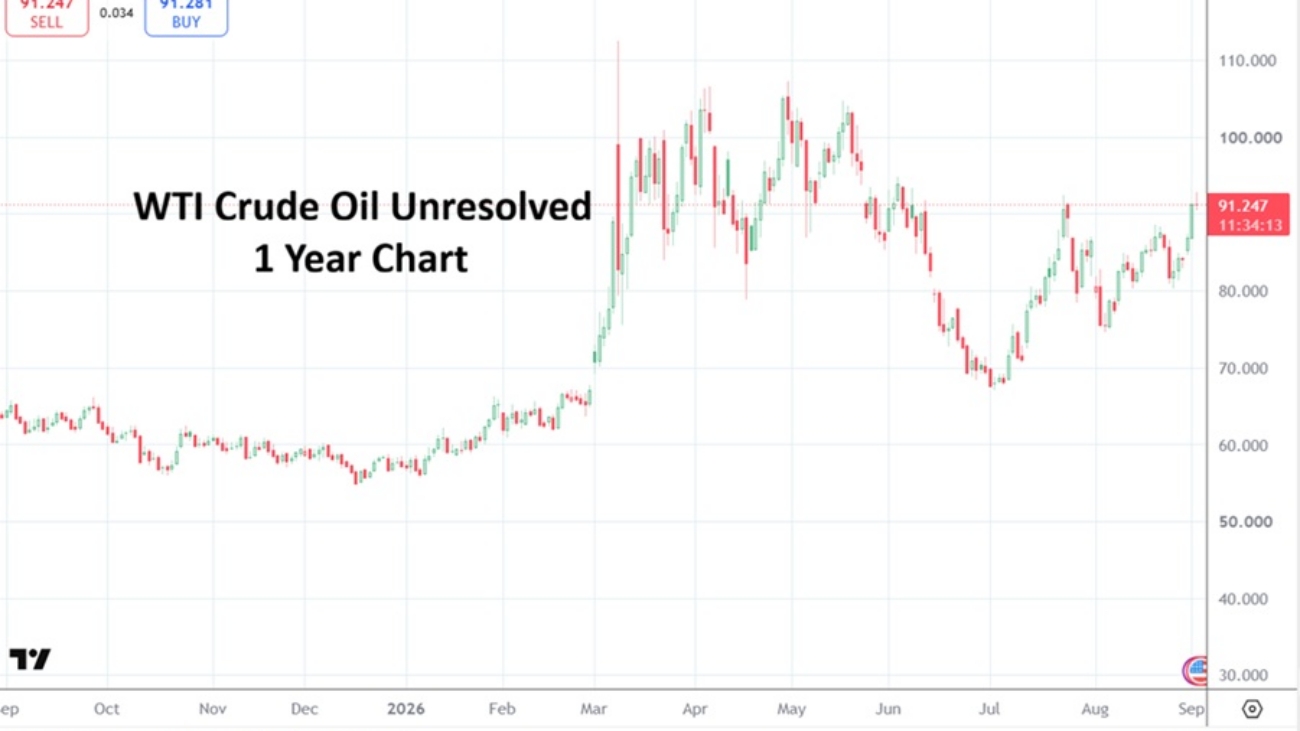
The price of WTI via futures at this moment are around the $90.00 mark again, this after moving within sight of 88.00 USD earlier today. At the end of last week the $96.00 mark was in sight for WTI. And the price of energy continues to cast a shadow that is moving over the U.S Federal Reserve and has large implications for the new Fed Chairman Kevin Warsh. 

The mid-term versus the long-term in financial institutions as they judge their interest rate perspectives are likely making for rather entertaining dialogue. And let’s not forget ladies and gentlemen, the U.S mid-term elections are approaching in November of this year and are resulting in primary elections that are punishing Republicans who voiced criticism towards President Trump. The question about who will hold power in the U.S House of Representatives is a big riddle. Even the U.S Senate leadership may be fragile. Why is that important, because if President Trump were to become what is known as a lame-duck President during his last two years in office, this would produce different outlooks among investors. Stay focused on the money people. 

Our Forex Friend: The BoJ

The USD/JPY is now traversing its 159.490 vicinity again, and perhaps that is a bell weather for soothsayers to criticize again. The Bank of Japan is watching the Japanese Yen as its trades within sight of its weakest values, and yes, the BoJ can be expected to issue another warning to speculators once again about being run over by an intervention. The BoJ’s broken record about interventions have produced solid results for folks who are able to trade the USD/JPY with positions that can be held for a few weeks at a time – namely hedge funds, large players and some financial institutions. Retail traders trying to take advantage of the USD/JPY are likely suffering trauma via anxiety if their wagers have gone in the wrong direction.

SpaceX and Scams in the Cryptoworld

And as a bonus, let’s not forget about rumblings regarding SpaceX and another topic within the I do not know category. Elon Musk has set the table for an attempt at a 2 trillion USD market cap after the IPO for the corporation is launched in the second week of June. The value of SpaceX can be and will be argued for the next few years as admirers and critics lineup to be heard and spread sheets are compared regarding revenues against one of the greatest marketing giants of our time. Intriguingly, however, are hints that there has been a lot of cryptocurrency fiddling regarding how the corporation is going to allow investors to participate. Apparently there have been tokens issued in the cryptocurrency world that have promised some type of participation in SpaceX and most are being exposed as scams and have nothing to do with the company or Musk. Buyer beware folks.

Copy and paste the text from AMT that you want to share

Gold 20260622

Gold: Intriguing Technical Support and Curious Sentiment Shift

Mid-Term Technical Support and Lower Price Make Gold Interesting

Gold has faced difficult speculative circumstances for traders with a bullish perspective since early February, this as the price of the commodity has fallen from highs. The price of the commodity is around $4,5220.00 for the moment, with its typical fast price action flourishing. Importantly, the precious metal is also traversing slightly above rather intriguing technical support when a mid-term perspective is used.

On the 29th of January Gold challenged the $5,600.00 vicinity, this as metal commodities soared including Silver and Platinum. Silver in late January touched the $120.00+ mark, Platinum in the last week of that month hit and penetrated $2800.00. Silver as of this morning is near $75.00 and Platinum is around $1937.00. The speculative momentum that drove the metals higher had a lot to do with fever pitched buying as large players feasted and smaller retail traders tried to ride the upwards wave.

Gold One Year Chart as of 22nd May 2026

Silver, Platinum and Gold Lost Their Appeal

For the moment it appears hedge funds have turned their attention away from the metals as a speculative playground. Fast profits are likely coming from other arenas, WTI Crude Oil and other energy resources are big betting areas as the Iranian situation remains at the forefront of attention.

Since the start of the military escalation in Iran all three metals have essentially lost value. Silver was around $94.00, Platinum close to $2,370 and Gold near $5,280.00 on the 27th of February. The price of WTI Crude Oil is trading with the $100.00 level acting as a technical magnet now, on the 27th of February WTI was near $67.00. It doesn’t take a brain surgeon to figure out where all of the price action has moved to as folks trading Crude Oil are certainly getting their kicks and maybe even profiting as they take advantage of support and resistance levels as rhetoric and saber-rattling flares about Iran.

Buying Gold with a Mid-Term Outlook

However, as Gold swims near the $4,522.00 mark it raises curious questions regarding its current value and how sentiment may develop within the precious metal over the mid-term. Putting to the side Silver and Platinum, Gold is intriguing because the specter of inflation is causing nervousness. The U.S Federal Reserve is now in a position in which it may have to start increasing the Federal Funds Rate again. 

President Trump wants lower borrowing costs, but because of the escalation in fuel costs effecting manufacturing, logistics and agricultural are all suffering. It will be hard for the new Fed Chair Kevin Warsh to simply wave off rising prices in the U.S as a short-term murmur. The mid-term now appears capable of sustaining inflationary winds. Gold may start to receive attention from investors again who are not looking to speculate on the precious metal, but to hold the commodity as a hedge.

  • Day traders as always will face intraday volatility with Gold if they are trying to capture a reversal higher.
  • However, if investors start to believe Gold needs to be looked at again via portfolio accumulation, and hedge funds make it a speculative party, the precious metal may start to see not only more attention but a buying surge develop again over the mid-term.
  • Gold around the $4,500.00 mark looks relatively secure as an investment plateau for folks looking for a long-term buying opportunity.
  • Day traders may start thinking about trying to take advantage of potential incremental shifts that might start to develop in Gold to the upside in the near-term and coming weeks.

Copy and paste the text from AMT that you want to share

SouthAfrican Rand 20260520

South Africa Outsider: Thoughts on the Rand and Guest Observations

USD/ZAR Considerations as Water Flows and Political Concerns are Compared

As a guest of South Africa (because of a personal relationship) and having been coming here frequently during the past four plus years it is easy to love the nation. Early last week a severe storm which brought high winds and plenty of rain hit a lot of the Western Cape knocking out electricity and water in a variety of towns. Having experienced hurricanes in the past, the wind was not quite comparable, but the consistency of the gusts over two days caused major damage.

Electricity and water have been restored to most people now. Wifi remains a problem for some, but folks are surviving. The damage to homes, infrastructure in towns and agriculture will keep individuals busy for a while. However, the Western Cape because of good political leadership and the stoic mannerisms of the people have worked together to move forward. So what does this all have to do with the South African Rand?

USD/ZAR Five Year Chart as of 20th May 2026

The USD/ZAR is traversing within a higher price realm since the start of March because of the Iranian conflict. The currency pair flirted with depths below 16.00000 in the middle of February. The value of the USD/ZAR at this time is close to 16.70000 depending on bids and asks. The Rand is correlating to the broad Forex market as USD centric strength has emerged recently, this as U.S 10 Year Treasury yields increase and threaten to become sustained. The U.S Federal Reserve is suddenly dealing with threats of inflation becoming sticky over the mid-term because of escalating energy costs. The U.S has plenty of WTI Crude Oil, but nations which had counted on energy from the Middle East are suddenly U.S customers and increased demand is going to cause WTI to remain elevated until the Iranian situation resolves. 

The USD/ZAR was in a bearish trend since early August 2025 when values were above 18.00000. The highs in early August of last year were caused by concerns the U.S White House sparked because of tariffs. South Africa is still facing tirades from the Trump administration about some policies being practiced in South Africa, but financial institutions have looked elsewhere regarding impetus for the Rand and its correlation to global Forex is the chief influencer.

While South Africa and its people and culture are easy to embrace, there are issues that remain problematic in the nation. Politics around the world often appear to be a complex myriad because certain people and partisanship are transfixed on power. Corruption globally is an issue in many nations that causes not only fiscal problems but inflation. South Africa suffers from these complications too. These matters can only be fixed with transparency and patience, and importantly – for citizens to demand better. 

Politically the current coalition government on the surface appears to be working. Yet, the potential for fractures to grow over the next handful of months as municipal elections approach –  the Johannesburg mayoral and city council results will prove fascinating, will be crucial for South Africa. Johannesburg has been facing a water supply crisis for a while and its consequences are a stark contrast to the Western Cape’s ability to repair and replace infrastructure in a matter of days after the recent storm.

The USD/ZAR is likely to correlate to USD centric price action near and mid-term, but there is a chance heightened political rhetoric and voting outcomes in a handful of months could shift impetus for a short while. Higher energy costs in South Africa now and into the mid-term will cause inflation. Food costs do appear to be incrementally rising in supermarkets. 

Yes, gold and platinum values will be looked at by some analysts and pointed to as reasons for the stronger South African Rand, and this influence may be real – to a degree. However for the moment, the USD/ZAR remains transfixed within the lower realms of its long-term price range mostly because the coalition government here is viewed positively, and the USD was weaker globally. 

The U.S Fed does have inflation concerns arising. As much as President Trump would like the new Fed Chairman, Kevin Warsh, to be dovish the reality for the U.S central bank and financial institutions judging outlooks lacks clarity for the moment. Sideways choppy price action in Forex and for the USD/ZAR may prevail in the coming days and weeks. And if the Iranian situation grows more boisterous, USD centric strength could grow.

Copy and paste the text from AMT that you want to share