Troll

Risk Analysis versus Trolls Demanding to Know the Impossible

Behavioral Sentiment Fatigue and Long-Term Opportunities

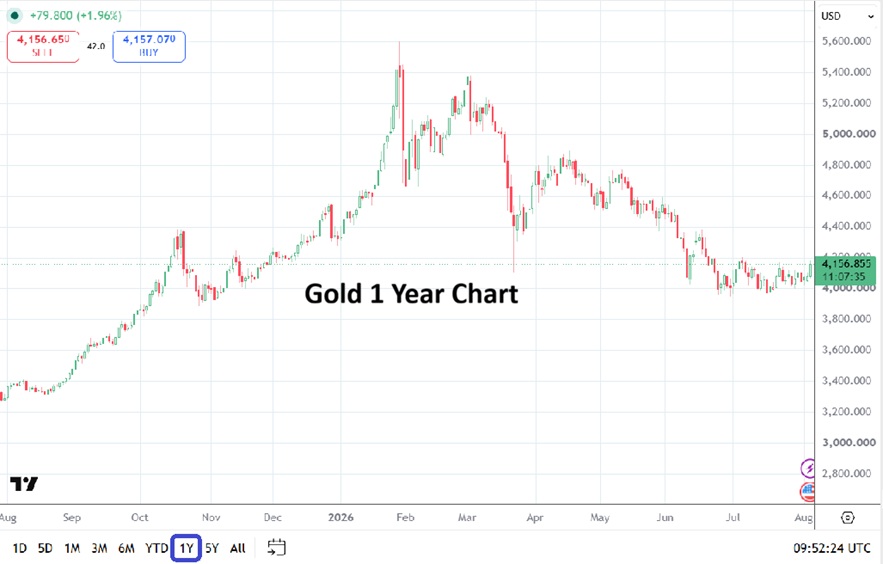
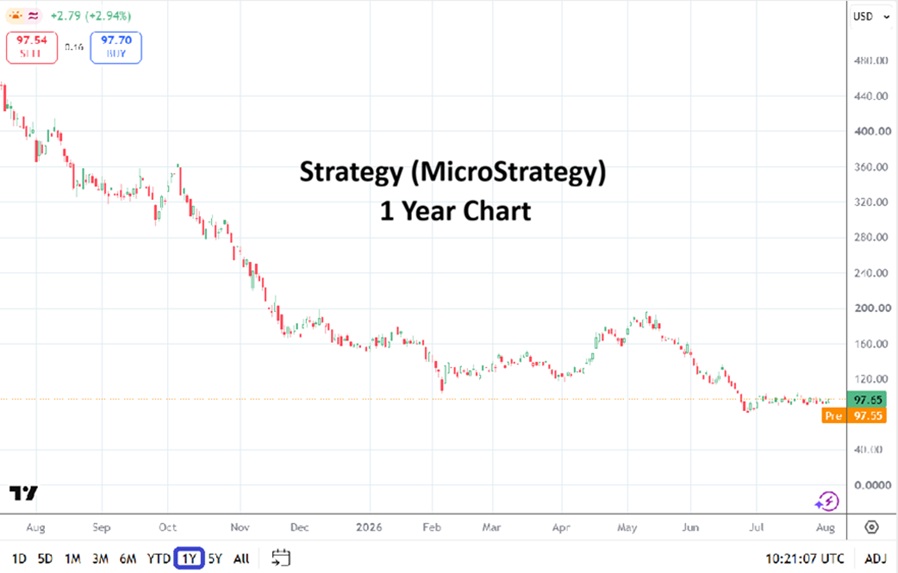
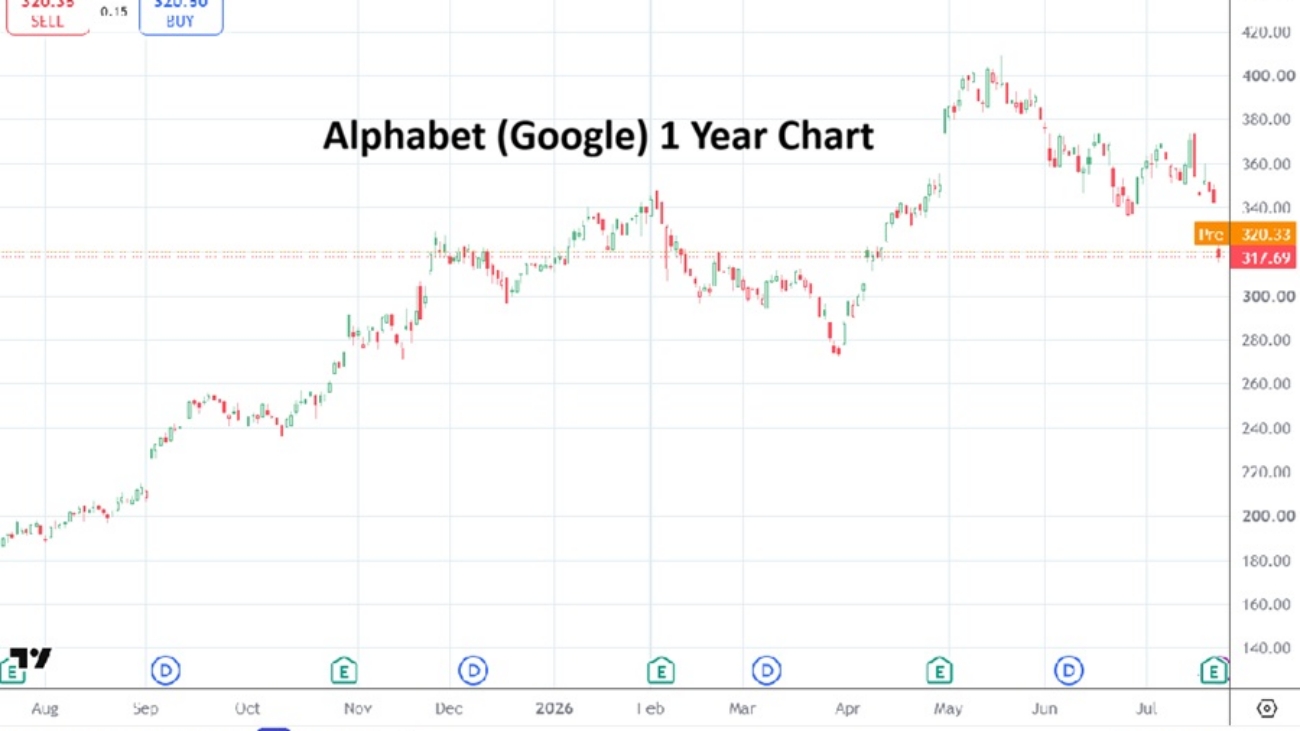
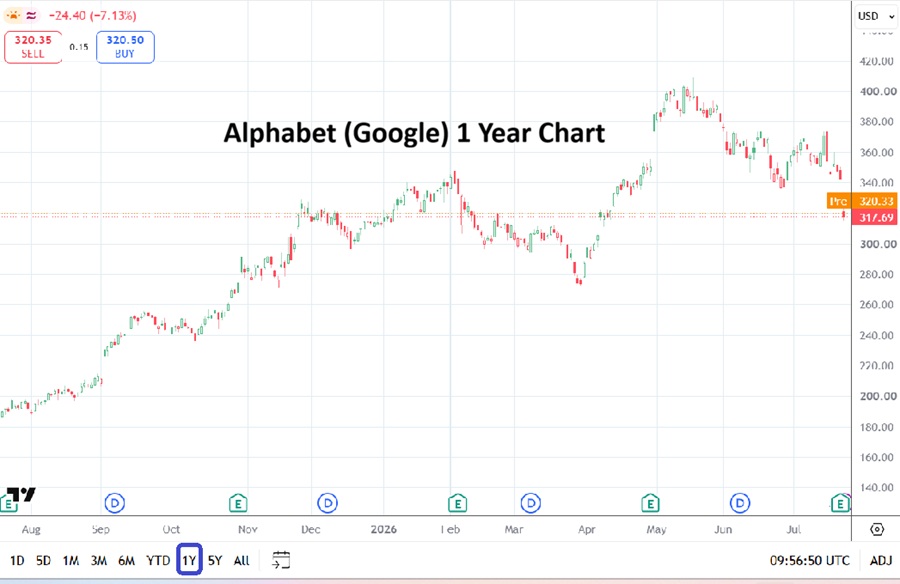
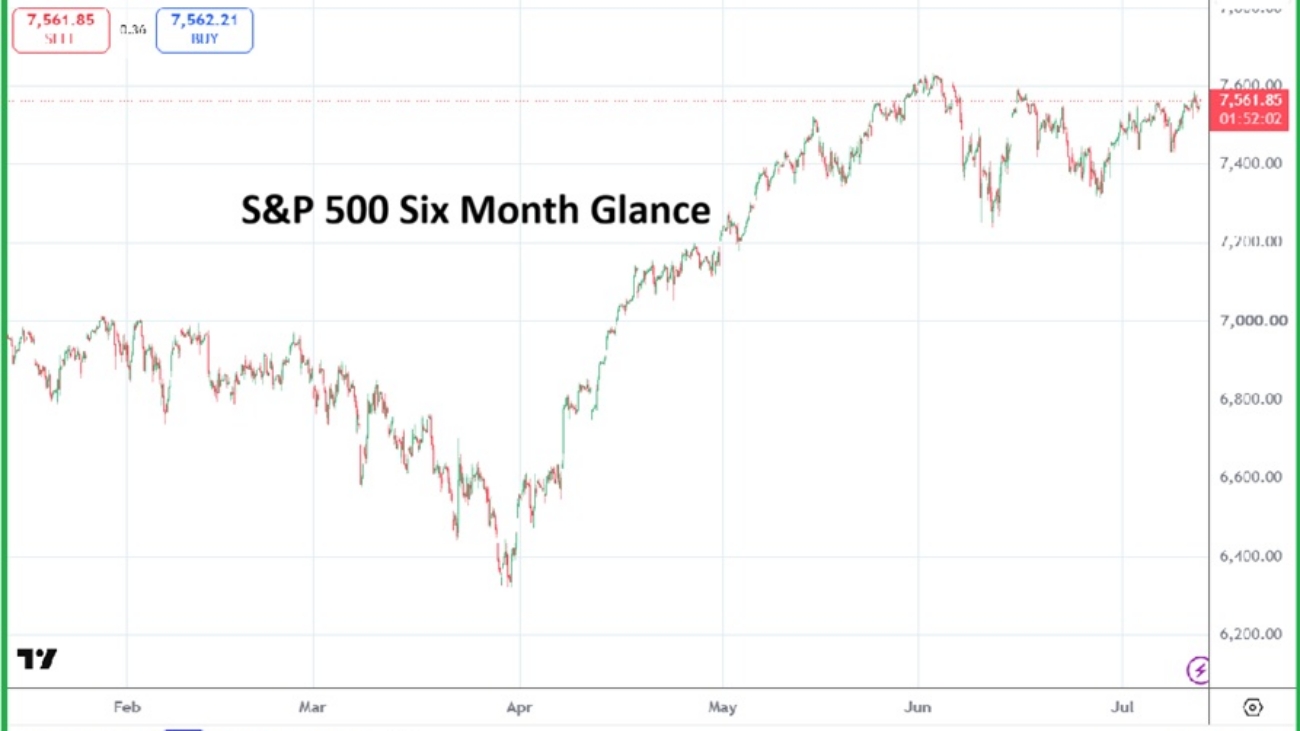
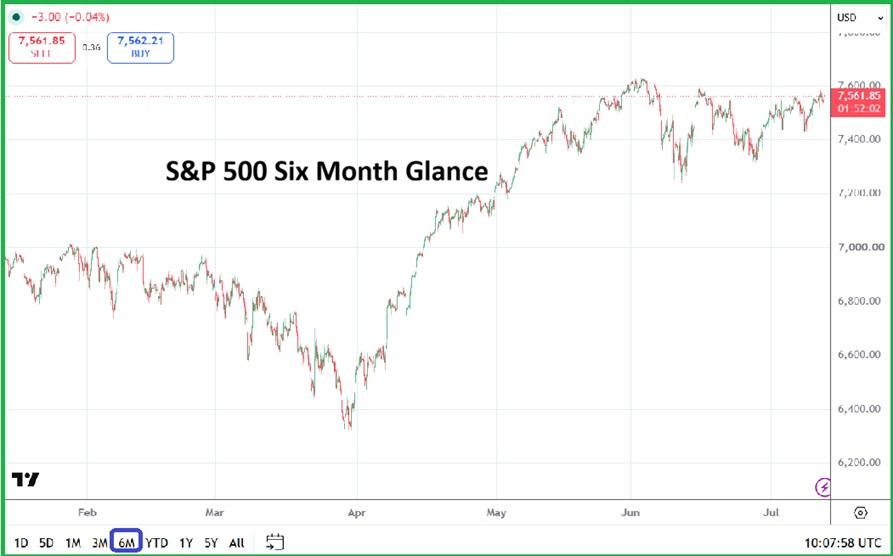
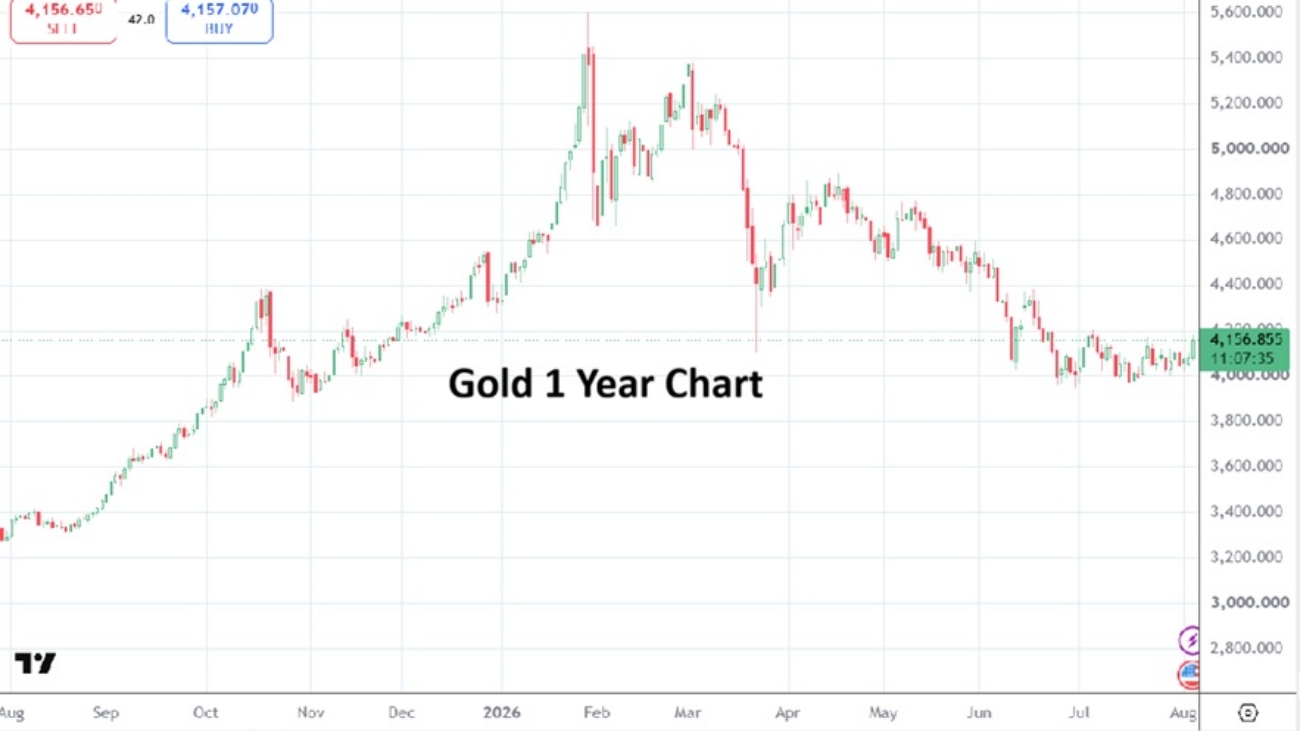
As I write Gold remains below $5,000.00. Silver is slightly above $75.00. The Nasdaq 100 and S&P 500 remain cautious. And my favorite exclusion choice – MicroStrategy is struggling below $129.00. The markets in general appear to be waiting for a dose of impetus, be it positive or negative. Some investors who are brave may believe assets have reached an accumulation phase as support levels get tested in equity markets. They hopefully also understand that the equity indices can go lower and they may suffer for a while as prices decline. And because of this notion, perhaps the larger investors remain ultra-cautious and are trying to time when they will re-enter the marketplace as a forceful buyer. In the meantime bonds will be bought as signals are awaited on for long-term positions in the major indices.

However, there is also a large contingent of traders who are not looking for long-term investment, instead they are hoping to take advantage of short-term price movement – positive and negative – depending on their philosophies. These folks may be part of hedge funds, or simply large players who believe they have the benefit of experience and know-how.

And then there are folks like me who watch the market and offer analysis on current conditions. I am of the opinion the broad markets are nervous and that behavioral sentiment remains troubled. While I know that experienced large players and financial institutions are accustomed to noise, there seems to be sense that an attitude of fatigue is being felt. People are tired of dealing with the constant amplitude of policy threats and risks. However, this insight regarding tired minds and markets may serve a purpose, it is possible long-term players will see current conditions as an opportunity to buy and hold.

If short-term players such as hedge funds and large speculators are too busy being nervous and assets are straddling prices in equities that are seen as potentially oversold by others, real value can be accumulated and waited upon to produce more growth. This is still a gamble, there are no guarantees. The markets go up and they go down. Cycles occur and new traders are often perplexed when their insights do not come to fruition. Patience is needed. And it is also good to have others in your ear who serve as contrarian advocates offering different opinions that you may not find agreement.

Perhaps you know someone who has an interest in the financial markets and is the same good friend. There is even a chance that you have worked with this person professionally, and have shared ideas on business management, organization and scaling trades and investing. And there is a chance that even though you like this person and find them completely engaging, that you disagree with everything they say.

Trust me when I say my friend (colleague) knows I am talking about them, and suffice it to say that I know he will completely disagree with my further comments, but also quietly embrace the words and believe he is serving his function as a voice of reason. He will not call himself a devil’s advocate, but as someone who serves to create focus. He is the person that says charge ahead, aim for an outcome and tell people what you think. He wants values to look for and timeframes to take action.

However, as a risk manager I frequently find myself being cautious, I try not to make outlandish predictions and try to remain conservative in my approach. I tend to think long-term, while he the trader frequently acts on short-term intuition with a focus on the future per his perspectives. But timing the market and exactly what is going to happen in the next five minutes, one hour, day and sometimes even a week remains a difficult and often an expensive game, I am constantly vigilant of this possible plight.

When I wrote that Silver appeared to be in a speculative mode and feared the highs, and told folks to be prepared for the metal returning to earth it was appreciated by my associate, but it also came with the question of when. When is Silver going to fall, he would ask. And I typically answered that patience was needed. And now that Silver has fallen he says, ‘you warned us that Silver would fall, but didn’t say when’, and he is correct. I cannot give an exact answer because I am not a master of the universe.

Day traders need to know that their CFD positions do not move the cash market. And even participants in the cash market are actually mostly wagering in the futures markets via exchanges and hoping for prices to move in their chosen direction only. Most people choosing to trade in the futures markets do not want to take deliverables of a commodity. Speculators in the futures markets may dream about taking Gold and Silver deliverables, but they know logically they cannot. The same goes for traders in futures with agricultural products and soft commodities.

To buy or not to buy is not the question. To participate or not to participate is the question. You do not have to trade every day, even if you are a short-term speculator. You can watch the markets. Sometimes the best trades you will ever make are the ones you do not pursue.

Copy and paste the text from AMT that you want to share

Confused Markets 20260217

Market Volatility: Structure, Geo-Politics and Culture

Why the (Free) World is so Confused and Depressed

Opinion: The following article is commentary and its views are solely those of the author. This article was first published the 16th of February via The Angry Demagogue.

Having been involved in the capital markets for the better part of the last four decades, I wouldn’t go so far as to say that I have not seen this amount of volatility and uncertainty in the markets, but I will say that this uncertainty and this volatility is different. The differences are important and have to do with the current structure of the markets as well as the geopolitical goals of the various powers and would-be powers. The trading world has changed radically over the last two decades with the advent of algorithmic trading and how they respond to global events as well as the type of money that is coming to dominate the markets.

The “type” of money has changed from those who invest in “things” – be they long term value investors like Warren Buffet and Peter Lynch, to those who chase income and dividends and to those who like to follow trends and industries. These investors, different in their own methods and goals had one thing in common – they invested in companies they felt had a future, or in the case of short-sellers (as legitimate as buyers) who thought it didn’t. The few hedge funds that were around four or five decades ago did what the name of the type of fund said – it “hedged” positions and gave up some potential upside in order to cushion losses when markets went south. That changed sometime at the end of the last century when George Soros nearly ended the United Kingdom by mercilessly shorting the Pound.

We are being very general of course and have not spoken about those who invested in bonds of “fixed income” products, corporate, federal or municipal as well as the basic speculator in all sorts of investment products. Nor have we spoken of the crooks who populate any era. We don’t want to give the impression that all was wonderful “then” – this is not a nostalgic look at the recent past but an attempt to understand what people were doing and how they did it, and how things have changed.

We are seeing now a sea change in the way the markets are responding to news and the way money is being invested. We still have the value and income investors; we have the large and small investors doing their best to pick the right stocks and bonds, and some of these investors also use options and futures to enhance and hedge their investments. Investing has become more sophisticated- read more mathematical – and the “basic” investor, large or small has been able to use this sophistication. However, the current hedge fund environment is based on much more than picking the right stocks or bonds and all that goes with it. The current hedge fund system is a group of funds, many of multiple hundreds of millions or even billions of dollars that don’t make investments per se as they try to beat their competitors by the microsecond in order to profit a very small amount on a a large but extremely short term investment (we will speak of the money of unfree countries, below).

As an example, there are dozens of hedge funds who work their “algos” to respond to market news and announcements only to get out of the position within minutes or even seconds. Each algo basically says the same thing – if X happens then buy and if Y happens, sell. The only difference is who will buy or sell quicker and then reverse what they have done. There have always been those with fingers on the button ready to buy or sell but the amounts were smaller and the effect less. Today, the reaction time is so quick that the large firms have their servers in the stock exchange buildings, close to the exchange computers so that they will get their orders in first. Remember, these are electronic so they are going at the speed of light. The difference between 100 feet way and 100 miles should not matter – but it does. We are talking the difference between 0.0000001 seconds for 100 feet and 0.000537 seconds for 100 miles – a time difference that people cannot discern.

This of course is not necessarily a bad thing if the algos themselves were correct for the long or even medium term (or what used to be called the short term – a quarter of a year). But they are programmed for the shortest of short term – what will happen over the next 30 or 40 seconds or maybe a day or two or a week. We see incredible volatility and panic where we should find none. A good or bad jobs report, inflation release or even a Federal Reserve rate cut or hike might have long term consequences but these trades that cause this radical volatility are not concerned with that. The market dropping two or three percent in a matter of minutes does not provide the comfort that investors usually seek. People jump on the bandwagon fearing the worst –when it was just the algos responses to the news rather than intelligent judgement on the news that drove the prices.

We will stop with the details and summarize – a large part of the uncertainty of the markets is structural as technology and the sheer amount of money being traded has surpassed what the markets, as currently structured can stand. As an example, as an employee of the Nasdaq Stock Market in the early 1990’s we were told to prepare for a 1 billion share day. During those days, there were very few shares that traded above $100 as the companies wanted more investors and there were many stock splits (more rare these days). The 1 billion share day in 1995 would have totaled around $40 billion. Today, daily trading activity has passed 15 billion shares and the total money is above $1 trillion.

It is not clear what structural changes need to be made in order to take all of this into consideration, but we do have some ideas (which we won’t bore you with now).

The second major issue that is the cause of the volatility and uncertainty in the markets has to do with what news is “good” and what news is “bad”. Not in the moral sense but in the economic and geo-political sense. What we mean by this is that there does not seem to be a unified view in the Western world where it should be going and because of this, it is not clear what news is in fact good and what is not. Economically it might be easier to figure out but even that has been hard since so many major American cities and so many young people are voting socialist and so much foreign money from non-free countries is flooding the market. News may say one thing for a free market economy and something entirely else for a planned socialist economy. It might mean one thing for investors in New York or Cleveland and something entirely different in China or Qatar.

Therefore, geo-politically the uncertainty is confusing. During the cold war of course we basically understood what moves were positive and which were negative. That is not to say there were no policy arguments but for the most part, the ends were agreed upon. Selling grain to the Soviets may or may not have bettered the Western world but both those like Henry Kissinger who supported it and Senator Scoop Jackson who opposed it argued based on the same goal – what was better for the free world.

This goes beyond who is considered the “enemies of the West” to what is considered the West – or even if it exists! We have always tried to write here from the perspective of what is good for free countries even if many free countries seem to think that Israel, for example, is not a member of that community. The same goes for those who doubt the cause that Ukraine is fighting for, as they support the Putin tyranny in the name of balance or alleged Christian values or whatnot. Interestingly, both sides – the right in the Russia-Ukraine war (and the Tuckeronian Right regarding Israel, too) and the left in the Israel-Islamist war – are willing to forgo freedom for some amorphous, form of justice or truth.

Iran is the perfect example. In every measure of Western values since WWII the Islamic Republic of Iran is an evil country. It denies freedom to its citizens, massacres them, executes women for immodesty and homosexuals for being homosexual. We don’t have to go on regarding the evils of the Islamic Republic of Iran but even with that, there are those in the West who support it. We are not talking about the legitimate policy debate regarding a war with Iran – morally as well as politically – but rather the fact that many just don’t consider that Iran is on the wrong side. Israel as we said is another example, but we can go on and on. Venezuela, Cuba and even China come to mind.

True enough, there were always people in the West that thought the Soviet Union or Maoist China was morally “better” than the United States or Europe, but never did they influence the politics, culture and businesses as the current naysayers do. The markets “understood’ that the Soviet Union was bad and reacted accordingly. The geo-political goals were mostly in sync.

The global markets reflect the geo-politics of the day and “vote” on it in a daily basis. The fact that there is a vast sum of money that influences the markets that are actively opposed to the freedom project – China, Qatar and Russia come to mind – does not help the situation. It is not the “foreign” money that disturbs the markets but rather which foreign money. There is a difference between an investor who is looking for the good company or the safe bond, and one who is looking to use their investment to further a radical Islamist or Chinese Communist agenda. President Trump’s trillion dollars of investments from Qatar and Saudi Arabia and others comes with a price tag he does not usually deal with – the price tag of undermining the market economy that has made him so successful. The proof of “goodwill” in the investments in the United States ought to be shown before that money flows into the economy. They have already contributed to ruining the universities (not that they needed the help) – there is no reason to permit them to ruin America’s great corporations, too.

The markets are crazy due to its structural issues and due to the “uncertainty” that is today’s world. Sadly, that uncertainty is not just uncertainty about what will happen, but uncertainty about what is good or bad (news). This goes beyond unity and “can’t we just get along?” and gets to the heart of why we are living today in the same culture. We say culture instead of country or city since that culture is the one that “got us here” as basketball or football coaches like to say.

The lack of agreement as to what matters most has affected the markets more than we think, and it all has contributed to the depression that so many in the free world are feeling at the moment.

Disclaimer: the views expressed in this opinion article are solely those of the author, and not necessarily the opinions reflected by angrymetatraders.com or its associated parties.

You can follow Ira Slomowitz via The Angry Demagogue on Substack https://iraslomowitz.substack.com/ 


Copy and paste the text from AMT that you want to share

postN17

AMT Warning: Many Brokers Do Not Care if you Lose your Money

AMT Warning: Many Brokers Do Not Care if you Lose your Money

Sounds like the title has been written wrong doesn’t it? Reads as if the editor clearly doesn’t understand the nature of the financial markets and how they work. Certainly anyone who offers their services to you would like to see you make money, or so you would like to think if you are an idealist who remains innocent and trusts all people.

Unfortunately, the title of this artcle which has lured you into reading this WARNING is not wrong. It has been written as cautionary advice for new and even experienced speculators. Many of the ‘financial’ websites and people you are considering to engage with via their day trading platforms and ‘expert’ systems are not worthy. Many do not care if you make money and some in fact are planning on ripping you off.

Blackjack Betting and Sitting at the Table with Too Much Leverage

Volatility is in the eye of the beholder, brokers like when day traders without deep pockets use leverage, because they expect their ‘clients’ to get wiped out. Yes, brokers are not your friends in many cases, in fact they are rooting against you in the back rooms of their trading operations. Why? Because they are not actually putting your trade into the cash markets, they are allowing you to trade virtuallly. Think of it as entering a casino.

The casino wants you to bet outrageous sums of money, because they know statistically most gamblers will lose. Again, you have been warned. Your use of leverage is music to the ears of your broker, because they know the volatility of the market will knock you out of a trade if your margin trading is too high and the slightest of technical reversals will produce a losing position for you. Then they will ask you if you want to make another wager. You can continue to sit at the ‘blackjack’ table or walk away.

Learn To Trade Without Getting Ripped Off

The first thing you might want to ask and acknowledge when you begin to trade is how much money can be lost? The answer is all of your money. If the answer being given to you is that there is minimal risk and that you are guaranteed profits – immediately close the website you are looking at and find another. Guaranteed profits equates into assured losses for unsophisticated traders most of the time.

If you are speaking to someone on the phone and the person keeps asking you how much money you want to make, please hang up the phone and speak to someone else. Self proclaimed gurus should be shunned. As someone once said, people tend to use the word guru, because the word charlatan takes too long to spell.

Yes, even in the most reputable and best of companies who provide trading platforms, you are going to lose money sometimes. The art of speculating and successsful trading is a delicate balance between losing money and making money. It is probable if you are a new trader, that unfortunately you are going to lose money and you will become uncomfortable. Sure you could get lucky or be a prodigy who is supremely talented, but you should understand many folks lose money in the beginning. There is a learning curve for day traders and you need good teachers. You also need a calm emotional state of mind.

Finding a Pro to Trade for You

You might want to consider letting someone that you trust and who has a proven track record with verifiable clients you can authenticate to invest your money. However to have a pro trade for you, the amount of money as a minimum you will need for them to consider trading your cash is likely sizeable. It doesn’t seem like a fair question from a social perspective, but are you wealthy enough to allow someone to trade for you?

If you find a person that is reputable to trade for you, make sure they have explained their modus operandi and you agree with their outline. In other words have them discuss their plan of attack and how they perceive complexities within the markets. What sectors do they invest in, what is the break down via percentages regarding the amounts of money they put into various financial assets? Asking questions may seem a bit impolite, but reputable fund managers and family offices should not get flustered by your questions, and they should have answers that are easy to understand. Do not let them talk over your head with fancy words and equations. Clear and concise language is necessary.

You shoud ask how often they rebalance their portfolios and if they issue a quartertly report. Importantly, ask for an example of transparent accounting which shows transaction fees that will be charged in full, including services they are charged by other financial providers within your account. Commission and banking fees can add up quickly. And then ask the magic question regarding drawdowns, and what are the allowable losses in a trade and in an account that can happen before they have to stop trading. You should get clear explanations regarding all of your inquiries.

But You Likely Still Want to Trade for Yourself

If your emotions do not let you take into consideration that there are going to be negative days, perhaps declines for weeks and bad months – simply put, trading isn’t for you. Learning to handle your money and investing should not be a speculative adventure, this is not about having fun. Oh you will certainly experience thrills, but you should try your best to limit crises. Risk management is a way to curb the elements of gambling which every day trader is undertaking.

Will you become a professional investor? What is a professional investor? Nothing like semantics and flattery to get the juices of a prospective investor going. Do not be fooled by flattery. Do not be fooled by the fact that you have a degree. There are folks who do not have high school graduation certificates looking to take advantage of you, some of them are great traders and will eat you alive. Education at the best of colleges or universities is no guarantee you will become a good trader. There is a difference between paper trading and having skin in the game.

The marketplace is waiting for you to enter and anticipates taking your money. Brokers are trying to get you to come to their trading platforms because they want to make money from your transactions and wagers if they are not reputable. These brokers actually do not believe you will make money. Until you prove you know what you are doing you will be treated like a ‘mark’. When you do prove you know what you are doing you will be treated differently in more ways than one, and it might prove difficult to withdraw your winnings.

Trust is Important, but Facts and Regulations Help

You must deal with people and companies you trust. Make sure to do a deep examination of the folks you are about to forge a trading association. Trading virtually via digitalized CFD and Forex houses that are not regulated can lead to financial disaster. And ask where your broker is regulated, and then check on the mandates of the entity and government which has written the rules for brokers – are they legitimate supervisors and who do the regulations favor? There is a lot of work involved before you trade, you must practice due diligence.

AngryMetaTraders wants you to understand the game of trading. We talk about sports often because the world of trading can be closely compared. If you are good and lucky, perhaps the world of investing awaits your success. If you suffer a learning curve like many, you can compare yourself to an athlete that must train to beat the best. You will need patience and dedication. Surround yourself with reputable firms and people to asssociate your speculative endeavors with in order to get solid results long-term.

post25.1

Forex, Interest Rates, the Fed and Conspiracy Politics

Forex, Interest Rates, the Fed and Conspiracy Politics

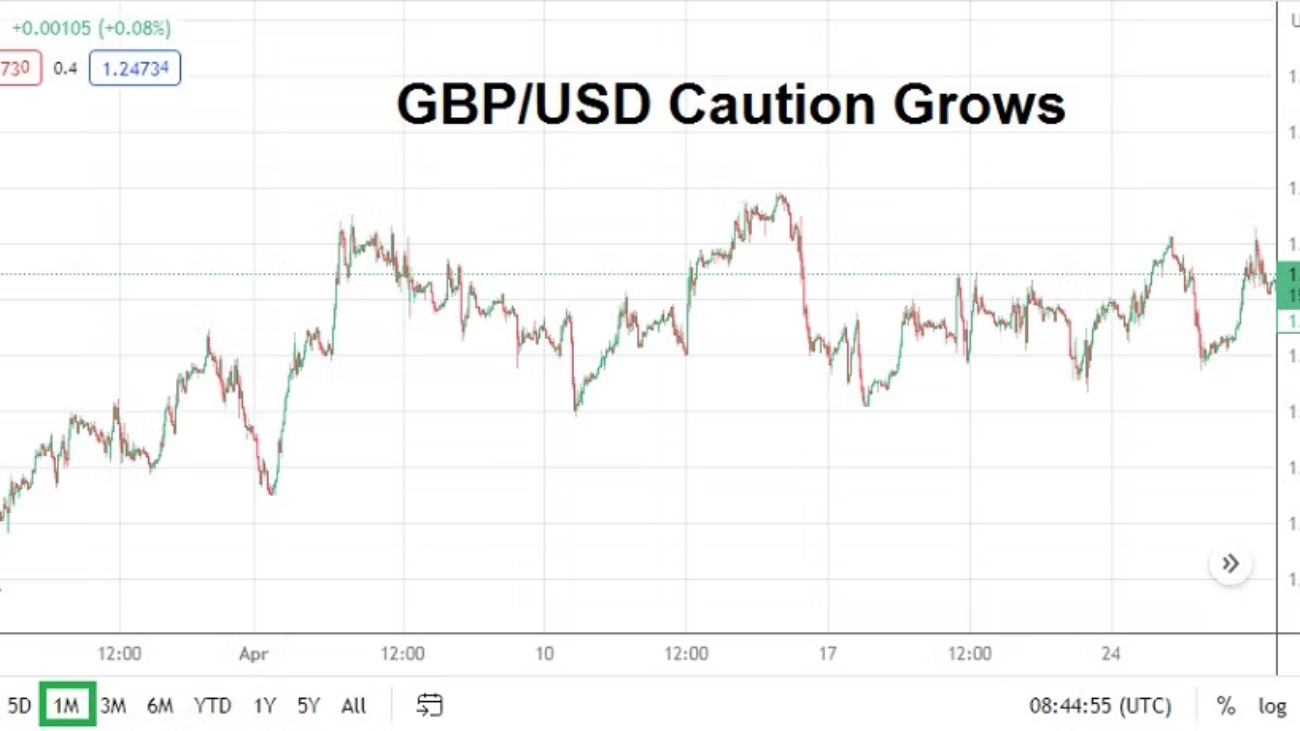
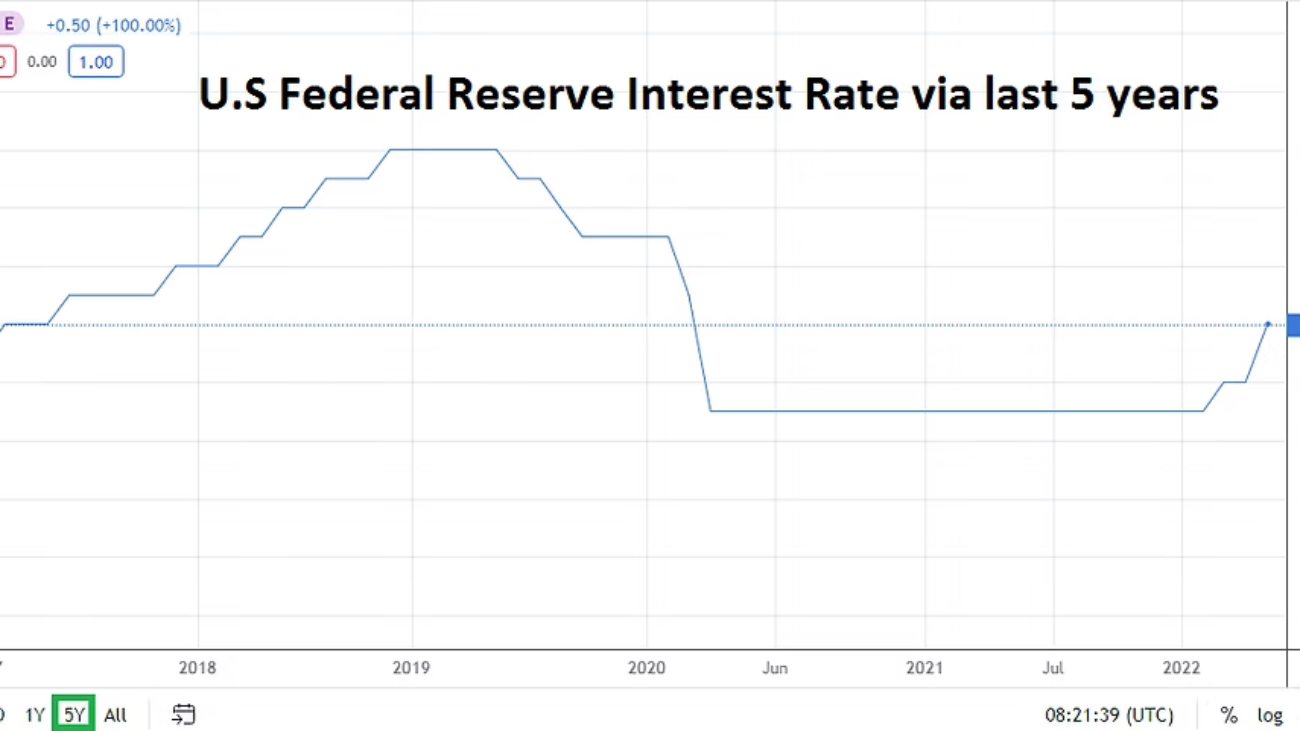
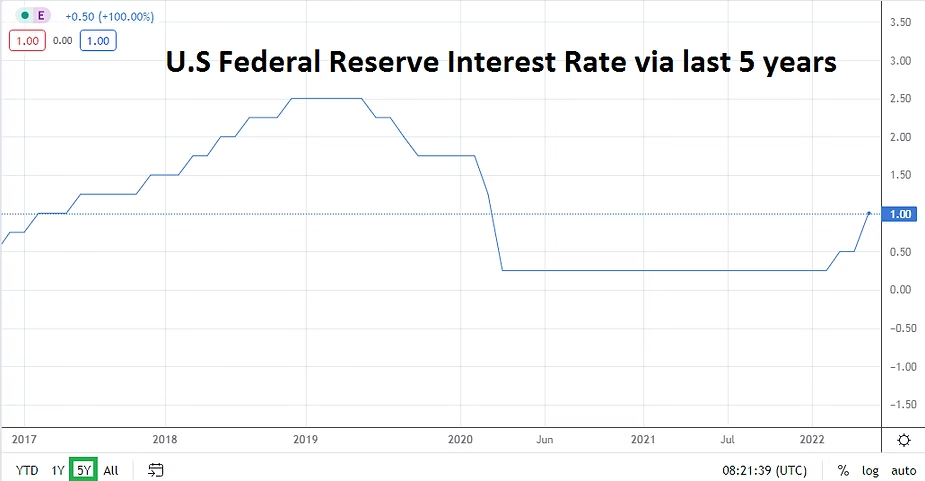
If you have been looking for road signs regarding what the U.S Federal Reserve is going to do next week and trying to get a feel for its rhetoric which will be delivered in the FOMC Statement on the 3rd of May, this week’s U.S data outcomes should be monitored. And as of now the data might be suggesting the Fed will remain aggressive in June.

GBP/USD One Month Chart

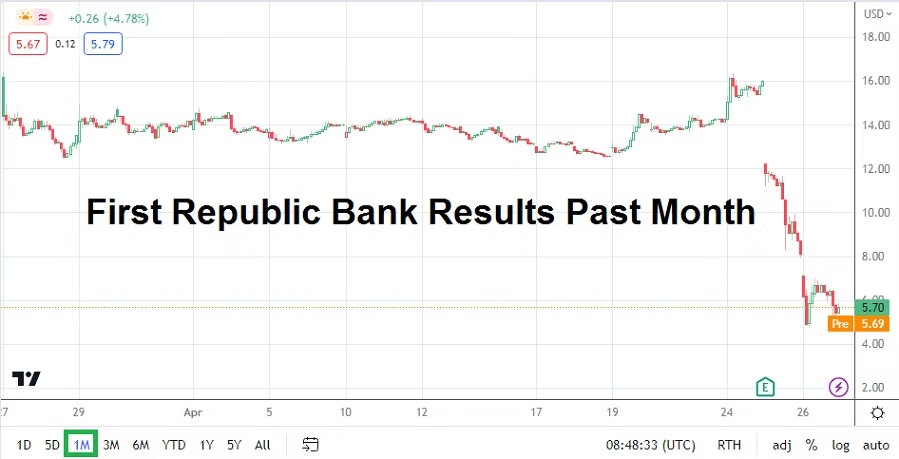
A Fed Funds Rate hike is going to happen on the 3rd of May unless there is a financial catastrophe that suddenly emerges that is nearly cataclysmic. While First Republic Bank wobbling is certainly a problem (Mark Zuckerberg is supposedly a rather large client of the bank), if this entity fails completely it may not cause massive bedlam. The stock has dropped violently, so a collapse should not be a surprise. No, it will not be welcome, but it should not be an unexpected calamity.

The question is how much the U.S government will protect depositors? The large clients who are not insured above the standard 250k USD ratio will want the same benefits that clients of Silicon Valley Bank received in March. Should they be rewarded the same way? The American public may not like the idea of another bailout for the deep pocketed, but there may not be much they can do about it, except to vote the politicians out, but who do you exactly punish?

First Republic Bank – One Month Chart as of 27th April 2023

What a collapse of First Republic Bank will do is hurt the corporate bond sector in banking again, because it is likely holders of these bonds will be put at the back of the line once again if the U.S government decides to protect big depositors of millions of dollars like Zuckerberg, before it protects bond holders.

U.S Data in Focus and the Allure of a Black Dress with Growth

But I digress, yesterday’s Core Durable Goods Orders statistics came in better than expected. Today Advance GDP will come from the U.S and if this number produces an increase instead of a downturn, the U.S Federal Reserve will have more ammunition to remain aggressive regarding interest rate hike rhetoric. An increase of 0.25% has been calculated into Forex for next week. The USD has done rather well recently, but what is of intrigue is the perception the USD is doing well after the financial markets have seemingly priced in a rate hike on the 3rd of May. Meaning, typically the USD would have started to ebb a bit lower after financial houses put their interest rate outlook into their Forex positions. Yesterday’s better than expected Core Durable Goods Orders leaves the door open for another hike on June the 14th to be precise.

While Core Durable Goods Orders isn’t a sexy statistic, GDP numbers frequently are, and if the growth numbers show up with a stunning black dress on with alluring ‘expansion’ it could send large speculators into a tizzy and make them believe the Fed could increase by another quarter of a point in June. The Fed during its FOMC Statement next week will certainly try to help financial institutions anticipate outlook. The Fed doesn’t need to hold the hand of investors, but it often treats them like children.

Financial houses had largely believed the Fed would hike in May and might raise in June. The notion that a June increase is certain would then put the focus back on the long-term again, and Forex could then break free of its rather consolidated incremental USD strength seen the past couple of weeks. Inflation remains a drum beat that is steady. And while today’s GDP numbers will be important. Tomorrow PCE inflation statistics will be the final nail in the coffin. If growth is stronger than expected today, and inflation numbers remain stubborn tomorrow, the Fed would certainly consider another June increase valid.

On the bright side for day traders is that the cautious choppy air which has circulated the past couple of weeks in Forex is almost done. While steady trends may not reappear for a while, at least near-term outlook will have more clarity by this time next week.

Big Institutions Have Long Term Outlooks and Treat Trading Conditions Differently

Long term outlook is another game as day traders should know and one they cannot easily participate. Long term investors have the money to specialize in assets which are not expecting profits today, but instead have a larger time frame for making money. Deep pockets, patience and the need for less leverage help financial institutions trade in a more stable manner, frequently putting the ‘odds’ in their favor.

The price of Crude Oil is actually behaving politely in recent trading, and its ability to find a mid 70.00’s USD price range is interesting and may help inflation move lower if it can be sustained. If supply of goods can adequately stabilize and global logistics costs come down, inflation could decrease. These factors are part of the long term perspective of financial institutions. Day traders may want to consider this because it could affect behavioral sentiment moving forward.

Higher interest rates from the Fed are causing other currencies to loss value and this has caused increased costs for international manufacturing companies located outside the U.S which frequently have to buy commodities in USD from their converted domestic currencies, this causes inflation. This is a factor not spoken about enough and traders need to consider this within their perspectives too.

The Fed and Perhaps a Conspiracy Theory

If the Fed actually starts to decrease its interest rates, it would help other currencies stabilize. And yes, if the Fed stops increasing interest rates it may actually help weaken global inflation. The Fed has caused import inflation to occur into the U.S. Are they aware of that? It is a good question. The likelihood is a yes, and it has been disregarded, but why? Perhaps there is another reason; does the U.S Fed and U.S government want to cause inflation globally to strike politically at some competitors? This is a different topic………kind of. Conspiracy theory.

While insight regarding the dialogues between the Federal Reserve and U.S government is certainly above my pay grade, one has to wonder about considerations regarding inflation and a stronger USD and its potential effect on China. The Fed increases may be a way of trying to inflict harm economically and in a subtle manner, but this cannot be proven. Perhaps the Fed is unaware of the global conflict being waged.

On another note, Gold remains near 2000.00 an ounce – almost steadily, displaying a certain amount of cautious behavior.

Gold One Month Chart

post4

Words Matter in the Financial World and Noise is Dangerous

Words Matter in the Financial World and Noise is Dangerous

As the financial markets trade in a nervous fashion the amount of ‘noise’ that traders must deal with has increased.

Markets Remain Jittery and Day Traders Pay the Price

The financial markets remain in a nervous state, and this is seen every day via the results from the major equity indices which continue to traverse within the framework of a threatening and potential bear market. Many new traders have not dealt with serious downturns in the financial markets before. Because human instinct is almost always positive, many speculators who participate in the markets tend to be buyers.

However in the past handful of months, many day traders who have been buyers have certainly found a difficult trading environment. Whether they are trying to pursue long positions in equity indices or cryptocurrencies, the speculative landscape has likely cost day traders money and produced trading accounts are negative, or worse simply have been closed.

U.S Federal Reserve Not Making Things Easy

The broad financial markets are likely to remain nervous in the coming months. The U.S Federal Reserve has a major interest rate announcement which will be delivered in the middle of June, and another rate hike of 0.50% is expected. What has the financial world nervous is not the anticipated interest rate hike which has already been digested into the marketplace, but what the Fed will say regarding their outlook regarding additional rate hikes in the summer. The reason why this is unclear is because the economic landscape remains cloudy and hotly debated.

The Federal Reserve has not helped investors because they have largely misread the economic landscape and caused problems because of past statements. Last year the Fed insisted inflation was transitory, meaning that it would soon diminish, this obviously did not happen. Now the best the Fed can do is to hope that inflation becomes less strong and that disinflation occurs. Meaning the U.S central bank is simply hoping it can decrease the rate of inflation.

Words matter in this trading landscape for investors because the Federal Reserve’s policy has not exactly been met with popular fanfare. Many market participants feel that the Fed has pursued bad economic policy and that they have reacted slowly to data which was abundantly clear regarding supply problems, and the rising cost of production due to climbs in energy prices.

The Biden Administration and Energy Costs

While some in the Biden administration try to point the finger at the Ukrainian war with Russia as the culprit. Most people are not that naïve. Energy prices were on the rise before the war and it can be seen that the bullish trend in the price of crude oil has existed since the Biden administration took power.

President Biden during his recent trip to Japan spoke about inflation caused by rising energy prices that were in ‘transition’. He made it clear that rising energy prices in the U.S are happening because the U.S is following a green environment policy and that the shift in regulatory mandates is driving the costs of energy higher. This combined with the Federal Reserve’s frequent talk about inflation and its desire to raise interest rates has made for a dangerous combination.

Noise will remain at a High Volume

Inflation may come down in the coming months. Demand for certain commodities may erode to some extent. However the cost of energy is probably going to remain high throughout the summer. The additional shadow of mid-term elections in the U.S and the potential for a shift in power in the U.S Congress are going to affect nervous sentiment among financial institutions in the coming months leading right up to November.

Traders need to prepare for noise which will come from pundits as they express their opinions. Speculators who are day traders also have to take into consideration that their short term goals are in direct opposition to that of long term financial institutions. The difference in trading outlooks and monetary capabilities make this a difficult environment for day traders in the current market conditions.

Following short term trends for day traders based on behavioral sentiment is viable. Technical charts can be used to gather short term evidence, but this will not stop the constant threat of reversals and spikes in price velocity from suddenly gathering power and creating momentary bedlam.

Eliminating the noise generating from pundits who can walk away from their statements without any consequences is a must. Unfortunately the comments coming from the Federal Reserve and White House are often hard to ignore and cause reactions in the marketplace; because their words matter even if they sometimes seem to forget what they have said in the past.