Bitcoin 20260730

Debunking Bitcoin Lies

The Paradox, Absurdity, Lies and Myths of Bitcoin

They say it’s an “asset”… but it has zero assets.

They say it’s decentralized… but the large majority of all transactions go through trading platforms.

They say it’s digital gold… but it has none of the physical attributes gold derives its value.

They say it’s immune to censorship… but countries like the US and China manage to be the largest holders without buying any Bitcoin.

They say it’s scarce… but there are 2.1 quadrillion Satoshi units that act exactly like a Bitcoin unit.

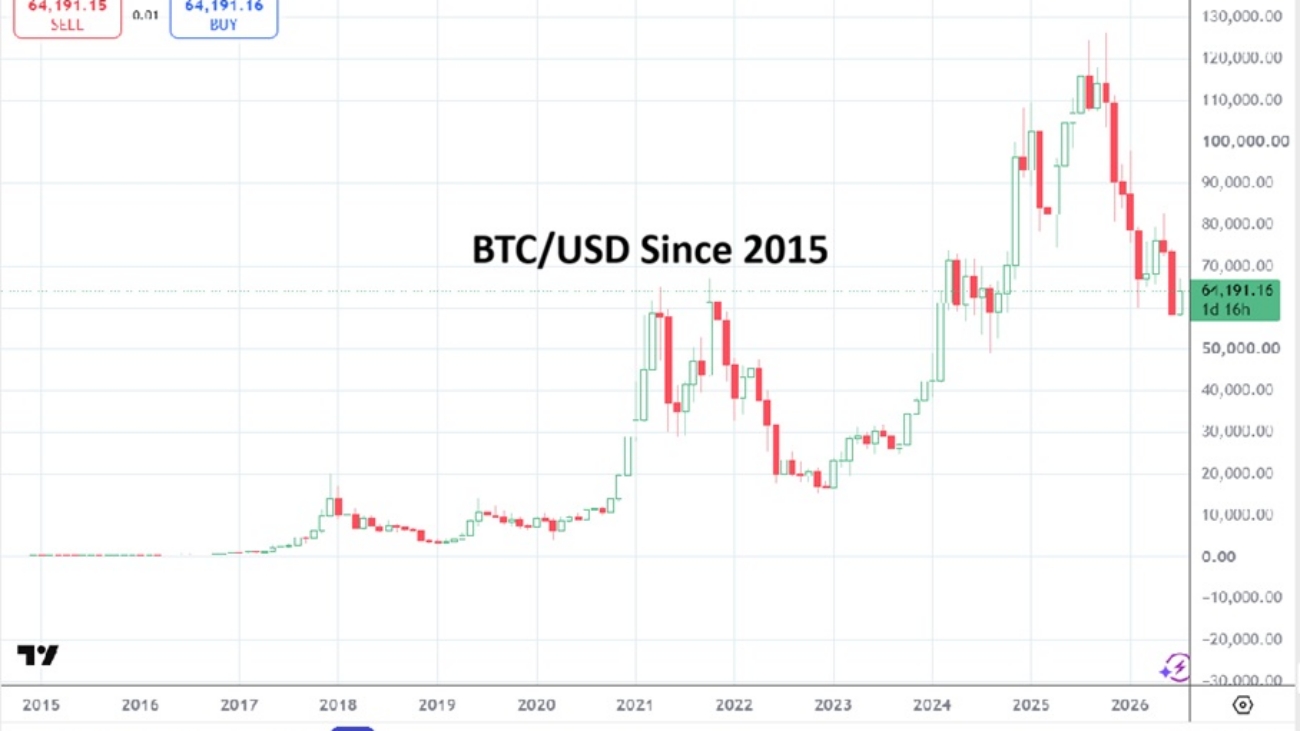
They say it’s a store of value… but it has witnessed several -50% to -80% drawdowns in its short history.

They say it derives its value from energy… but energy is a massive cost that someone has to pay!
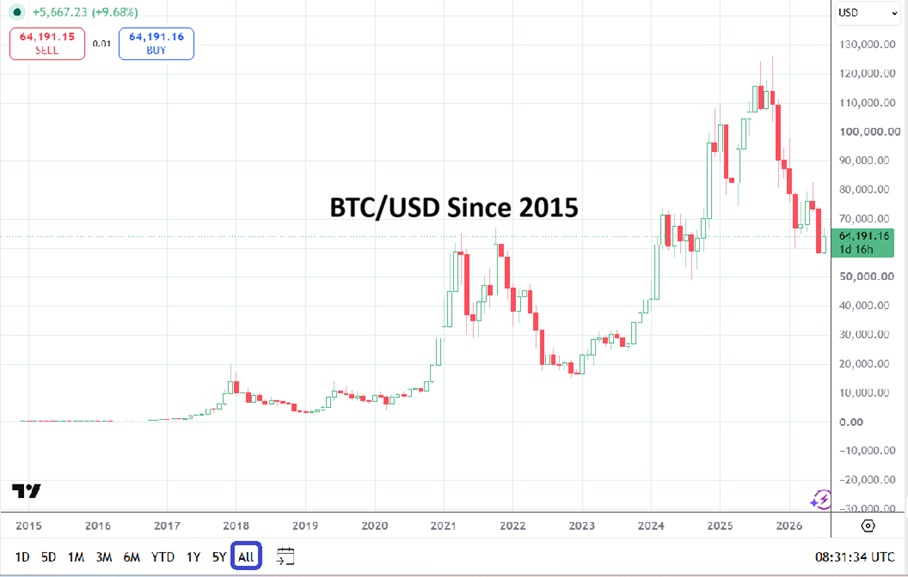
BTC/USD Chart Since 2015 as of 30 July 2026

The Bitcoin protocol was introduced as a new monetary system: decentralized, censorship-resistant, scarce, transparent, secure, and independent of governments and financial intermediaries. It promised to eliminate the need for trusted third parties and replace institutional trust with a code.

However, more than fifteen years later, Bitcoin has failed on all those fake promises…

Today, the Bitcoin ecosystem is increasingly dependent on centralized exchanges, custodians, mining companies, stablecoin issuers, institutional investors, and financial intermediaries. The supposedly revolutionary monetary asset has become deeply intertwined with the very financial infrastructure it was designed to bypass.

And beneath everything lies an uncomfortable economic reality: the Bitcoin mining industry must continuously spend real resources (electricity, capital, land, labor, and massive equipment that becomes obsolete very quickly) to generate a virtual token that is distributed randomly… with the reward being halved by design every four years! What business model can survive such a flawed system where revenues are distributed randomly and halved every four years while costs increase constantly with adoption? It is the exact opposite of an economy of scale. The more successful your product is, the deeper your losses are! Even Fried Thiel, MARA’s CEO, ended up admitting that Bitcoin mining is a “zero sum game”! With miners doomed to fail economically, Bitcoin’s network security is destined to failure.

1. The Decentralization Paradox

The word “decentralized” is perhaps the most important word in the Bitcoin vocabulary.

In practice, it is far from being the case. Most Bitcoin transactions go through exchanges, custodians, brokers, or institutional funds (ETFs). Even miners store their mined bitcoins with custodians like Coinbase.

Today, the entire ecosystem relies on the solvency of companies like Coinbase, Binance, Tether, Strategy… all of which are in a critical financial situation. Should any of them collapse, the whole house of cards will fall down.

The irony is striking. Bitcoin was designed to eliminate the need for trusted intermediaries. Yet Bitcoin users increasingly trust intermediaries to hold their Bitcoins. Even miners do! How absurd is that?

2. The 21 Million Fake Limit

The most used argument for Bitcoin is that there will only ever be 21 million bitcoins.

But the statement requires closer examination too. A bitcoin is divisible into 100 million Satoshis. Each Satoshi has exactly the same “shape,” the same function, and the same attributes as a Bitcoin! Dividing something into exact copies of itself acts like a multiplier! That means the real supply is 2.1 quadrillion units (call them Satoshis or Bitcoins, it doesn’t matter).

The immediate response from Bitcoin supporters is that this is no different from saying that one dollar consists of 100 cents… but the dollar was never designed to have an absolute monetary cap.

The question then becomes whether the 21 million cap creates meaningful economic scarcity or simply a narrative of scarcity for marketing purposes. Anyway, the scarcity of something useless doesn’t make it useful…

The “21 million limit” becomes even more absurd when we consider the enormous number of other cryptocurrencies and tokens that exist. If scarcity itself is the central source of value, why should Bitcoin’s scarcity be uniquely valuable? The crypto ecosystem has demonstrated that creating a new digital asset is technically easy. Anyone can create a token with a fixed supply. If we create another digital token with a 10 million limit, much lower than Bitcoin’s 21 million limit, would it be worth more than Bitcoin because it would be considered scarcer? How can something be considered scarce if it can be replicated indefinitely with exactly the same “unique” attributes?

3. The “Digital Gold” Absurdity

They say Bitcoin is digital gold. Yet gold has physical properties that have made it valuable for thousands of years: durability, divisibility, portability, resistance to corrosion, and usefulness in jewelry and industry. Bitcoin has none of those unique physical attributes. Take away those physical attributes from gold, and it loses all its value. Since Bitcoin is gold without its physical attributes, it is therefore worth nothing! It’s as if we created a virtual token and called it “digital water,” pretending it’s “liquid” and “essential to life.” Still, if we can’t drink it or wash with it, what value would it have? Not only does Bitcoin have no intrinsic value, but it also requires continued investment in heavy infrastructure and massive electricity consumption to stay alive. It is like having a car parked in a garage, continuously consuming gas to remain “alive,” while you pretend it has value because it is unique! Once gold is mined, it costs nothing to continue existing. When Bitcoin is mined, the network needs to keep running on heavy electricity consumption for the Bitcoin to remain “alive.”

4. The “Censorship Proof” Lie

Governments around the world have acquired Bitcoin through seizures, confiscations, enforcement actions, bankruptcies, and other means. That’s how a digital coin created as a challenge to government monetary authority ended up in government-controlled wallets.

Governments do not need to control the blockchain to influence the market. They can shut down crypto platforms and seize their assets. What happened to the promise of monetary freedom?

5. The Myth of Low-Cost Bitcoin

Bitcoin is sometimes described as a cheap way to transfer money. The comparison can be attractive. There is no need for a traditional bank to approve a transaction. The network operates continuously.

But the cost of the system is not simply the transaction fee paid by the user. There is also the cost of maintaining the infrastructure. Bitcoin mining consumes enormous amounts of electricity and requires heavy equipment that becomes rapidly obsolete. The economic cost of maintaining the network is simply unsustainable. All listed miners show constant negative cash flow with massive dilution of shareholders and collapsing stock prices. It is not a coincidence. It is simply a sign that Bitcoin mining is economically unsustainable. It is a fundamentally losing business that is doomed to fail. When most miners inevitably capitulate, they will sell their Bitcoin reserves and provoke a massive collapse in the price. With less than 5% remaining to be mined over the next 100 years, there will be zero incentive for miners to start all over again. Bitcoin is doomed to fail from within.

If Bitcoin were truly revolutionary, all large technology companies, like Apple, Google, Microsoft, and Meta, would have jumped in to get their market share (as they did for AI)… instead we have empty shells with no business model, like Strategy, Nakamoto Inc, and Metaplanet, turning into “Bitcoin treasury” companies while incurring heavy losses and permanent negative cash flow.

Bitcoin was designed as an alternative to financial intermediaries. Now collapsing “treasury companies” and unsecured crypto platforms control the ecosystem. We shifted the risk from banks like JPMorgan, Citi, or Morgan Stanley, supported by the US central bank, to entities like Coinbase, Tether, and Binance… some of which aren’t even audited! And all without any support from a central authority.

The user may distrust banks, but he is asked to trust an exchange. The user may distrust central banks, but he is asked to trust a stablecoin issuer. The system has not eliminated trust. It has redistributed it to a much weaker ecosystem!

Bitcoin will be remembered as the greatest bubble of all time and the largest misallocation of capital and resources in human history.

Copy and paste the text from AMT that you want to share

postN101

Anonymous Kingdom: Bitcoin’s Lack of Transparency is Supreme

Anonymous Kingdom: Bitcoin's Lack of Transparency is Supreme

Bitcoin has fallen below the 40,000.00 USD price level today, and after penetrating the depth of 39,500.00 USD has shown additional velocity lower. Bitcoin is now testing support near the 38,850.00 ratio, a value it last tested on the 2nd of December.

Influencers will likely urge their fanbases to look at six-month charts to understand Bitcoin is still within the upper levels of its price range, this because a look at a three-month chart isn’t as cheerful. The speculative asset remains a dangerous place for day traders to participate who do not have legitimate insights regarding Bitcoin.

BTC/USD Six Month Chart as of 23rd January 2024

The question that some are likely starting to ask is what happened to the bullish rush in Bitcoin that was evangelized as a source of inspiration when the U.S Bitcoin ETFs materialized? FOMO (fear of missing out) again became an ‘advert’ for Bitcoin. True patience is needed when investing in financial assets, but day traders aren’t investing they are speculating and BTC/USD is likely costing them plenty of money.

It has been publicized that BlackRock’s spot Bitcoin ETF now holds over 1 billion USD in funds. However, while BlackRock and other ETFs have added to their assets under management of Bitcoin, what are short positions within the ETFs regarding size? This number is elusive, but the ability to sell ETF ‘share’ value within the new Bitcoin funds being offered is said to exist.

Bitcoin’s open interest numbers within the CME’s future contracts was nearly 26,669 positions on the 11th of January, yesterday’s reporting via the Chicago Mercantile Exchange was 22,250 open positions. While day traders may be speculating on the price of BTC/USD via their brokers’ trading platforms, they have to understand that their wagers are not affecting the real market price. The big players within the Bitcoin market do not operate on brokerage platforms which are merely offering CFD positions. The large traders are using cryptocurrency exchanges, futures and options via the CME, and now ETF positions.

Unless a trader is actively selling Bitcoin on a selected cryptocurrency exchange – and likely being asked to open a margin account – and thus opening the door to leverage and volatility, which it can be argued is designed to knock you out of the positions. You are going to find it difficult to actually sell ‘physical’ Bitcoin via short positions that are ‘manipulating’ the cash/spot market.

Bitcoin is a playground for sophisticated traders with plenty of cash to speculate and will continue to produce a world of extreme price volatility. On the 11th of January the price of Bitcoin jumped towards the 49,000.00 mark before declining. Bitcoin’s high early this morning was around the 40,150.00 ratio before stumbling the past handful of hours. Note, that open interest was at its highest on the 11th of January via CME futures trading information.

If you want to speculate (bet) on the value of Bitcoin as a day trader you should understand that you are participating in a marketplace that still doesn’t have the best of transparency. Yes, in most assets day traders are always competing against complex dynamics in which they have no control. However, speculating on BTC/USD is still being done almost blindfolded because of the lack of insights that is part of Bitcoin’s anonymous allure that many of its proponents love. We are still a distance away from transparency within the world of Bitcoin.

If traders can get access to volumes data – and the size of long and short positions being placed within the crypto exchanges they are using that helps. But because Bitcoin trading is still unregulated, and since there are many crypto exchanges operating you will only be getting small bits of information. The lack of information should worry day traders and serve as a caution sign.

postN87

AMT Top Ten Miscellaneous Views for the 15th of December

AMT Top Ten Miscellaneous Views for the 15th of December

10. Book: Doctor Zhivago by Boris Pasternak.

9. Music: Moanin’ – Charles Mingus Big Band 93 Nostalgia in Times Square. Fantastic jazz.

8. Cryptocurrencies: Game of double dare continues as BTC/USD trades near 42,600.00. ETH/USD resides around 2,250.00. USDT remains at 1.00 and BNB/USD (yes, from the much criticized Binance operation) hovers near 250.00. Be careful out there, folks.

7. Argentina: Newly elected President Javier Milei has begun to enact economic reforms as the nation’s citizens and businesses hunger for better days. Will the Argentine Peso begin to stabilize?

6. South Africa: As the nation celebrates a public holiday for its Rugby World Cup victory today, it should be asked if the people are ready to vote for a political change in 2024? Or have things not gotten bad enough yet?

5. Central Banks: Federal Reserve ‘officially’ turned to a neutral/ almost soft monetary policy stance on Wednesday, the BoE and ECB followed Fed’s dance steps yesterday. GBP and EUR have gained and look intent to flirt with July 2023 values.

4. U.S Treasuries: Yields continue to erode and are near values seen half a year ago, with further decreases seemingly ready to occur mid-term.

3. Commodities: Gold is producing near-term speculative upwards muscle. Copper traders appear to be eyeing higher values.

2. JPY: Price velocity has propelled the USD/JPY to fresh lows, this as the currency pair gains speculative interest and behavioral sentiment shifts.

1. All Time Value: Dow Jones Industrials has achieved record heights. Nasdaq Composite and S&P 500 indices at one year highs as investors show risk appetite.

postN51

AMT Top Ten Miscellaneous Nibbles for the 1st of December

AMT Top Ten Miscellaneous Nibbles for the 1st of December

10. Book: Kissinger: 1923 – 1968: The Idealist by Neill Ferguson

9. Music: Clifford Brown and Max Roach Quintet playing Joy Spring.

8. Bitcoin: Curious stubborn trend higher as ETF fever appears to be creating bets on perceived ‘forced’ upwards momentum. BTC/USD now above 38,000.00.

7. Charlie Munger: Passed away earlier this week. Extremely well regarded as a man and helped create the Berskshire Hathaway colossus.

6. Crude Oil: Cash price of WTI Crude Oil remains stable and hovering above mid-term support after OPEC and associates announced voluntary production reductions yesterday.

5. Data: While U.S GDP numbers came in with solid growth statistics on Wednesday, yesterday’s U.S Core Personal Consumption Expenditures results came in below last month’s data showing inflation is eroding.

4. Gold: The precious metal remains above 2000.00 USD in a rather strong fashion, short-term speculation has been vigorous. Caution is advised for day traders.

3. Jerome Powell: The Federal Reserve Chairman will be speaking in Atlanta later today and his comments while participating in a ’roundtable’ discussion could affect behavioral sentiment going into the weekend.

2. USD: Outlooks via tier 1 financial institutions and larger players keeping the ‘greenback’ weaker and near mid-term support against other major currencies, price velocity should be watched.

1. U.S Indices: Dow Jones Industrials touching highs not seen since January 2022. S&P 500 and Nasdaq Composite within sight of July 2023 apex levels, and if penetrated upwards would also bring these indices to heights of late 2021 and early 2022, this as risk appetite demonstrates backbone.

You can find more AMT Top Ten Miscellaneous lists in the AngryMetaTraders archive

post6

Bitcoin Winter Threatens to Become an Ice Age

Bitcoin Winter Threatens to Become an Ice Age

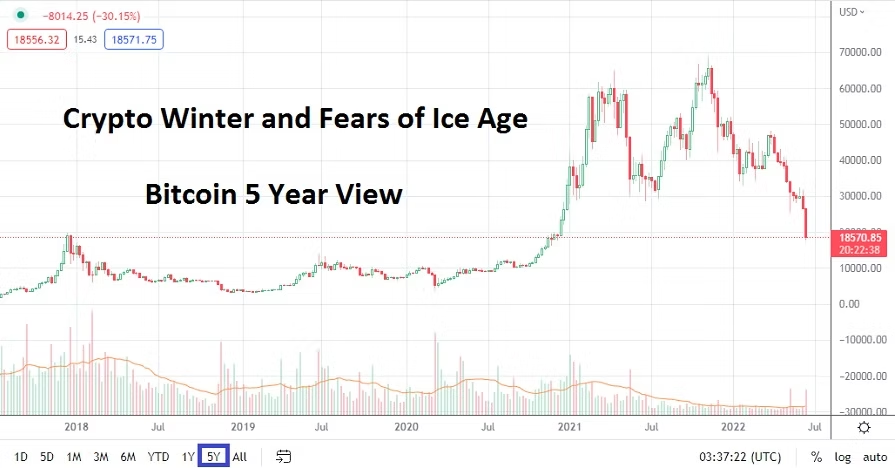
Many influencers within the digital asset world use the term ‘crypto winter’ as a way to explain the dramatic cyclical falls of value when cryptocurrencies prices crumble. The sun it is psychologically suggested, will shine again during summer, prices always heat up says the mantra.

However, the prices of the largest cryptocurrencies are suffering extensive erosion during this ‘winter’ storm. Although it may sound like a joke, a fear of a cryptocurrency ice age seems plausible. If values freeze too dramatically in the cryptocurrency world, will prices be able to thaw again?

Concerns regarding the ‘evangelists’ like mantras of Bitcoin backers such as Michael Saylor, the CEO of MicroStrategy, are noteworthy. Perhaps Michael Saylor will be warmed by ‘summer’ prices again and see Bitcoin emerge higher, but many of his ‘followers’ are likely to get hurt if prices do not rebound soon. Clever quotes like Bitcoin is better than fiat currency. Bitcoin is scarce. Bitcoin can be taken anywhere in times of crisis, are all frequently heard. But these quips become rather shallow sounding and questionable, during these massive selloffs which can destroy an average person’s speculative pursuits if they have over leveraged on their wagers.

Some backers will certainly say people should not be speculating on Bitcoin, they should buy and hold. However its does appear any buying of Bitcoin is speculative. Anyone who decides to purchase Bitcoin should be willing to lose all of their money. Its history as a volatile speculative asset underscores this fact.

Influencers and backers will claim they are not responsible, and in many cases they are not, but fingers will be pointed and blame will be cast and evidence will be gathered. Class action lawsuits will certainly spring forth as people who lost money look for folks and companies to accuse of wrongs. Responsibility will likely have to be proven in a court of law. Lawyers are certain to make money from their work, they may be the only ones who are guaranteed financial success from Bitcoin.

The average costs of purchased Bitcoin is said to be around 23,500.00 USD within the current total supply of 19 million plus existing coins. The problem for BTC/USD is that it is below this average purchase price as of this morning by a rather steep margin as it trades near 18,400.00 per digital asset. Meaning many folks who bought Bitcoin now have a substantial loss. Yes, the buyers who paid too much can become ‘HODLers’, but will they really be able to maintain this stance?

Another noteworthy number, it should also be remembered that it is estimated around 3 million Bitcoins have been ‘lost’ permanently via the misplacing of cold wallet information, and the forgetting of passwords that are needed to access coins in hot wallets.

Consideration must be given to the costs of producing one BTC, which supposedly is around 26,000.00 USD currently. If the price of Bitcoin continues to struggle, at what point do miners say it no longer makes viable economic sense? The price of mining a Bitcoin is not about to get cheaper in this high inflation period as energy costs grow.

When does a real capitulation take place? Why is Bitcoin being so violent during the weekends? Why does some of the greatest volatility apparently occur on Saturdays and Sundays?

Now that the 19,000.00 price level has proven vulnerable, which is the next technical level BTC/USD could challenge? Price velocity is lightning fast. Many seasoned traders could historically say this shows that fear has taken hold in the marketplace, and that may be true. But typically the fear eventually runs into an intrinsic value for the asset which creates a pause. Traders seeking value can jump in and take advantage of the low prices and wait for summer to shine. However, Bitcoin has very little intrinsic value that can be quantified. So where is the price investors jump in?

Will the price of Bitcoin fall to 13,000.00 during this so-called winter? Could it become even worse? Who is going to jump in and buy Bitcoin if it continues to stumble and its price is as cold as ice?

post1

BTC/USD: Bitcoin Remains near Troubling Support Levels

BTC/USD: Bitcoin Remains near Troubling Support Levels

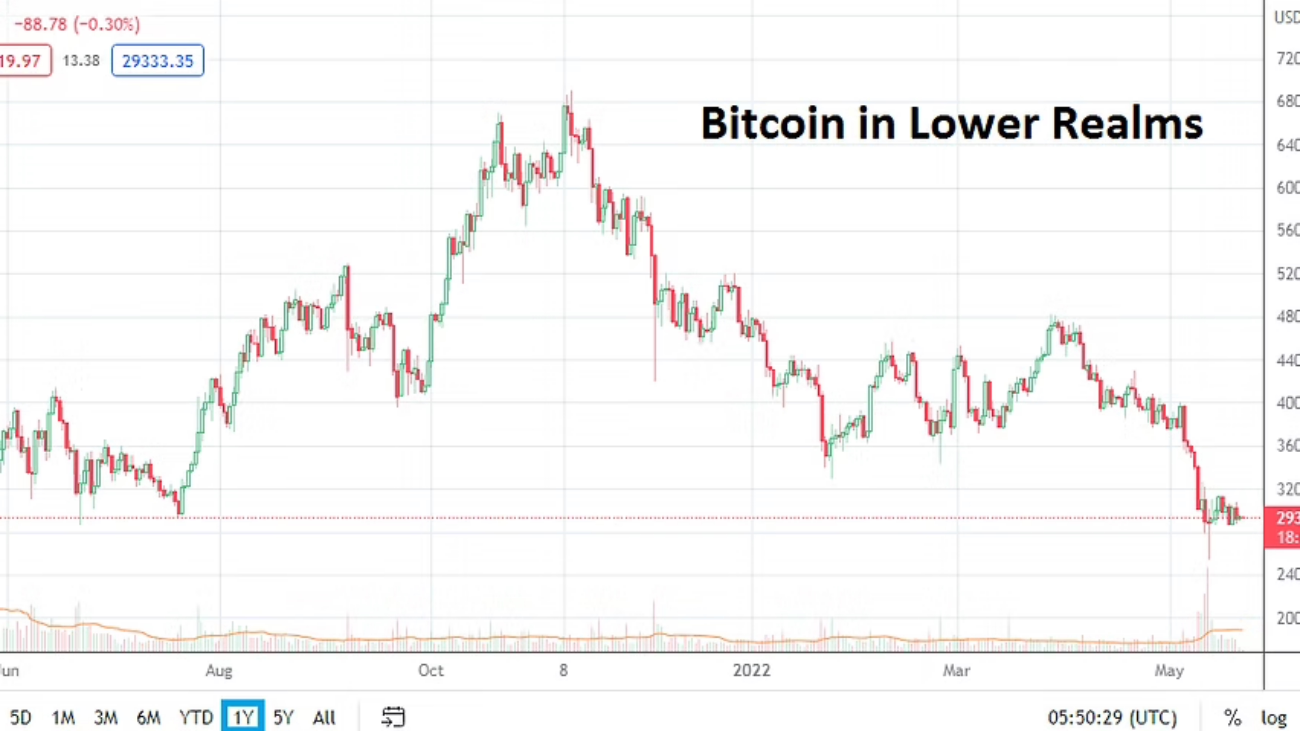
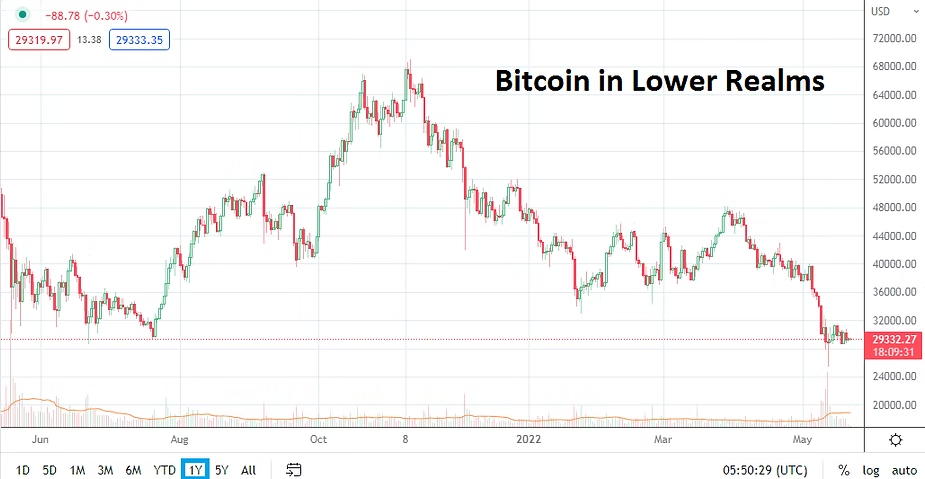
The price of Bitcoin continues to create perilous adventures for short term speculators as it moves below 30,000.00, while threatening to flirt with even lower values.

BTC/USD is trading a couple of hundred dollars above the 29,000.00 realm as of this morning. After being able to consolidate and provide speculators with a more tranquil environment last week, Friday’s price action saw the 28,800.00 juncture challenged, this as the NASDAQ Composite also suffered a red slash of selling. However, as Friday came to a close Bitcoin recovered some of its value, along with the major indices. Yet, BTC/USD certainly did not create a sudden change of opinion among most traders. Its bearish trend remains the flavor of the month.

This weekend has seen consolidation, but the past day has also brought an incremental decline again into Bitcoin’s trading landscape. This is not your grandparent’s speculative haven, BTC/USD trades all day and every day, there are no vacations. While this allows short term wagers for folks who need to feel the thrill of price action at all times, it also allows the same people to watch their money evaporate into thin air just like at a Las Vegas casino.

As BTC/USD hovers dangerously close to the 29,290.00 vicinity this morning, traders who lean towards technical perspectives and have long positions will likely not want to see Bitcoin break below the 29,000.00 price. Weekend trading for Bitcoin over the past handful of months, and for most of the major cryptocurrencies, has been a battlefield which has witnessed some of the strongest selling action during this long bearish trend which began in earnest November of 2021.

If the 28,800.00 price range were to begin having its values tested once again, this would not be a welcome sight for short term bullish folks who simply refuse to be short sellers. Long term holders of Bitcoin might relish what they consider lower prices and exclaim the digital asset needs to be bought. Folks like Michael Saylor may see current prices as a buying opportunity for his corporate treasury at MicroStrategy, but losses are mounting for many people and if Bitcoin continues to struggle the question arises if long term believers of Bitcoin may have to capitulate to create cash flow that has suddenly been hurt.

Short term traders need to contemplate the trend and the dangers that Bitcoin poses. Folks who decide to use leverage and are looking for dramatic price changes need to be braced for bad outcomes if the direction of Bitcoin goes against their wager. The choice of the word ‘wager is not a mistake, Bitcoin is a betting environment for day traders – simple as that. Yes, the right direction may be chosen periodically, but trading BTC/USD is not an endeavor which should be treated without careful consideration.